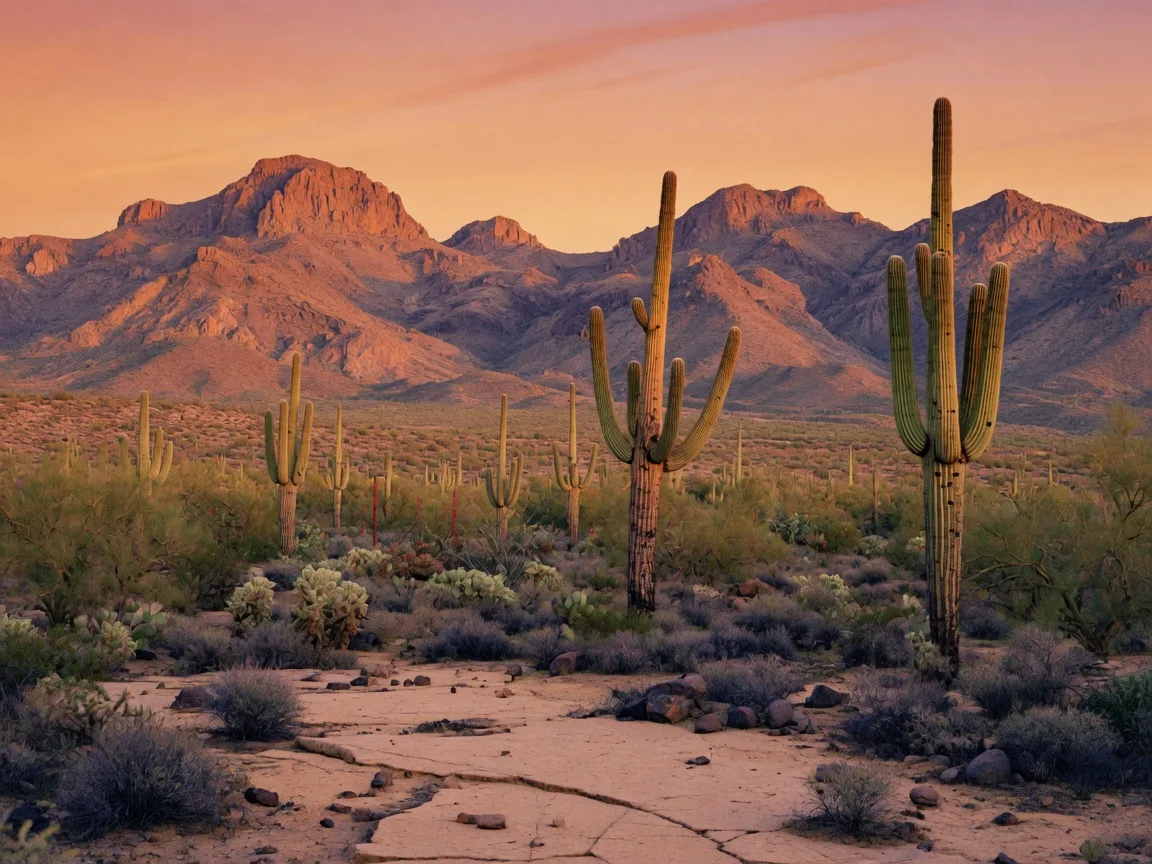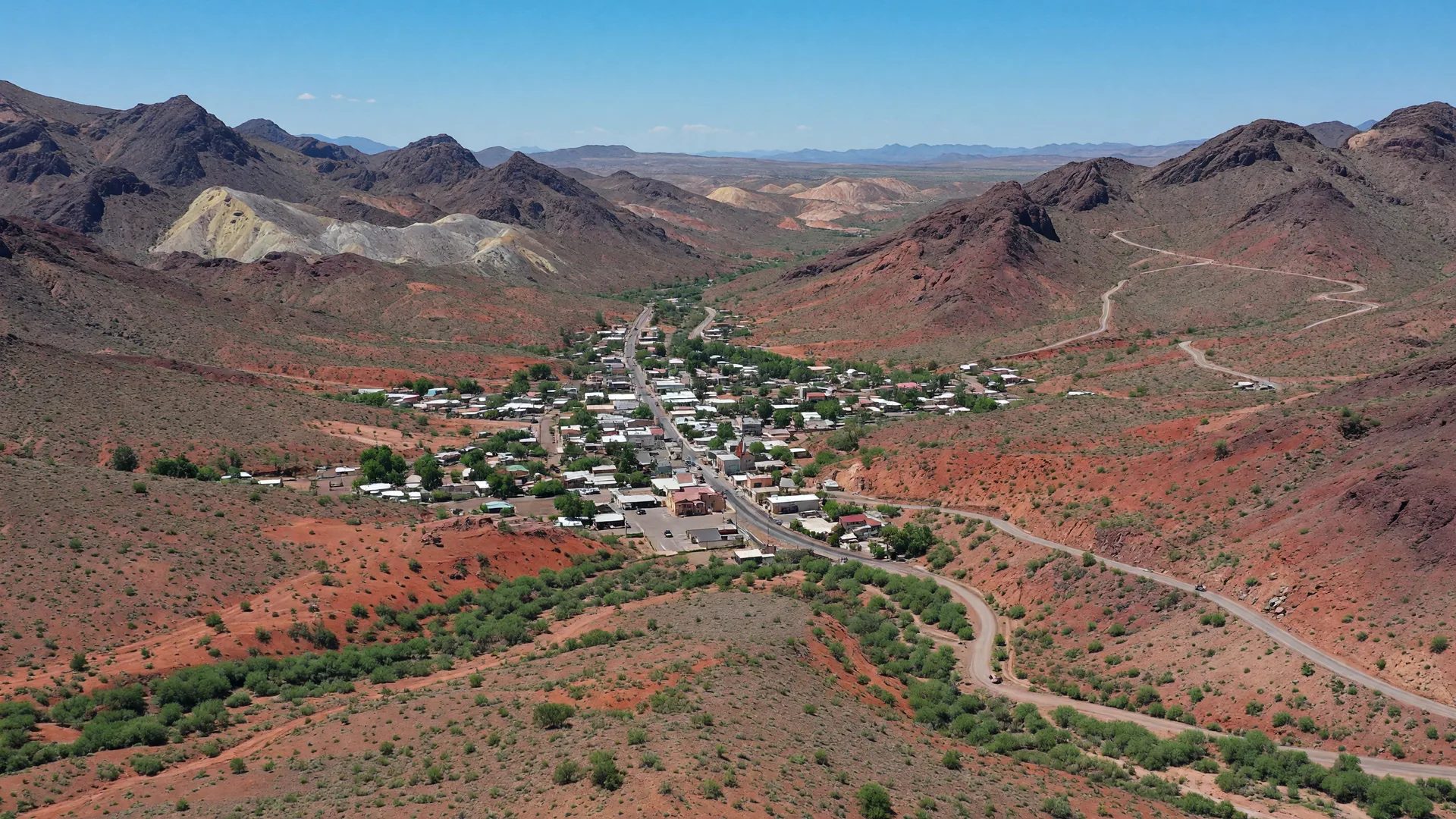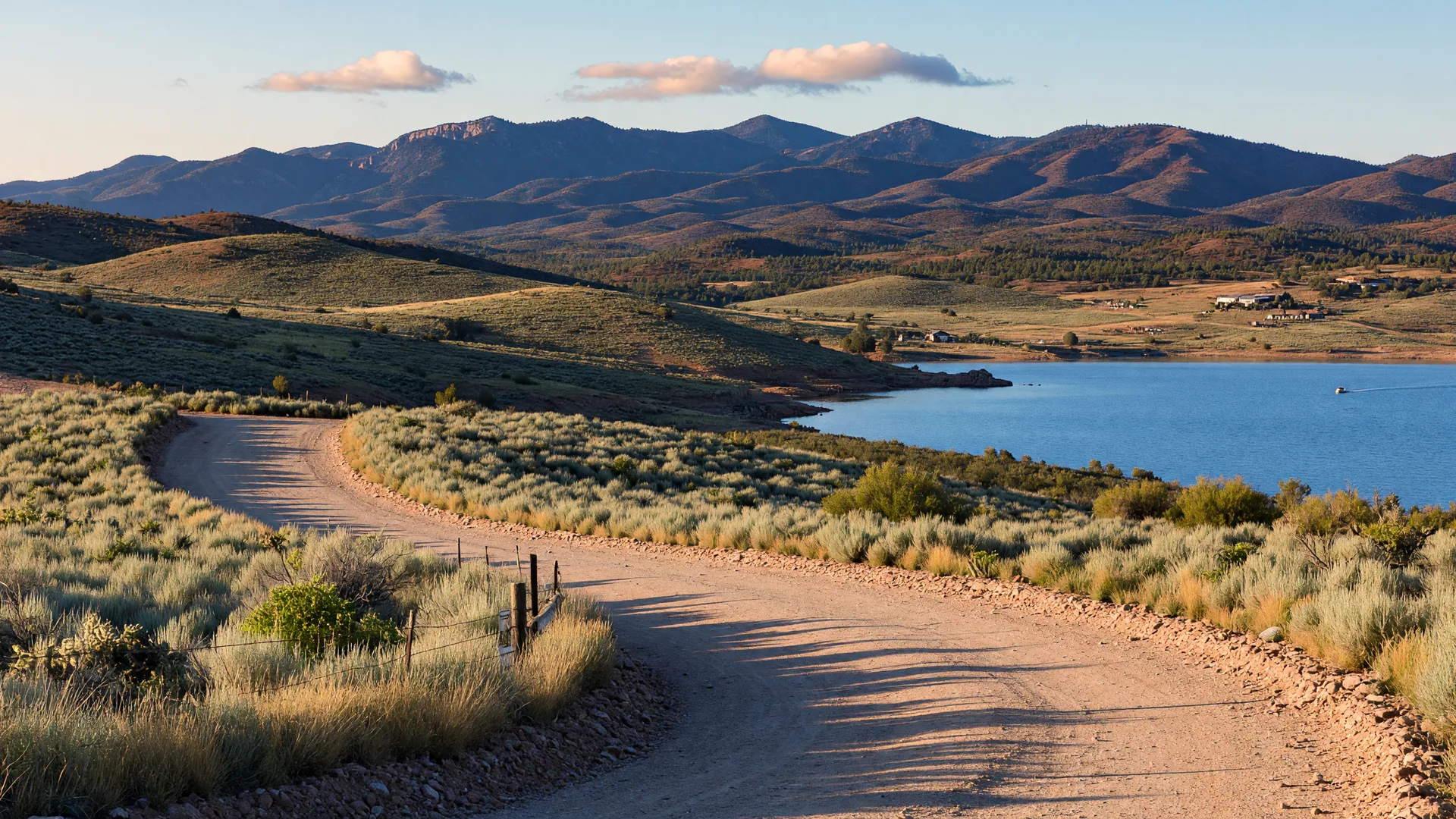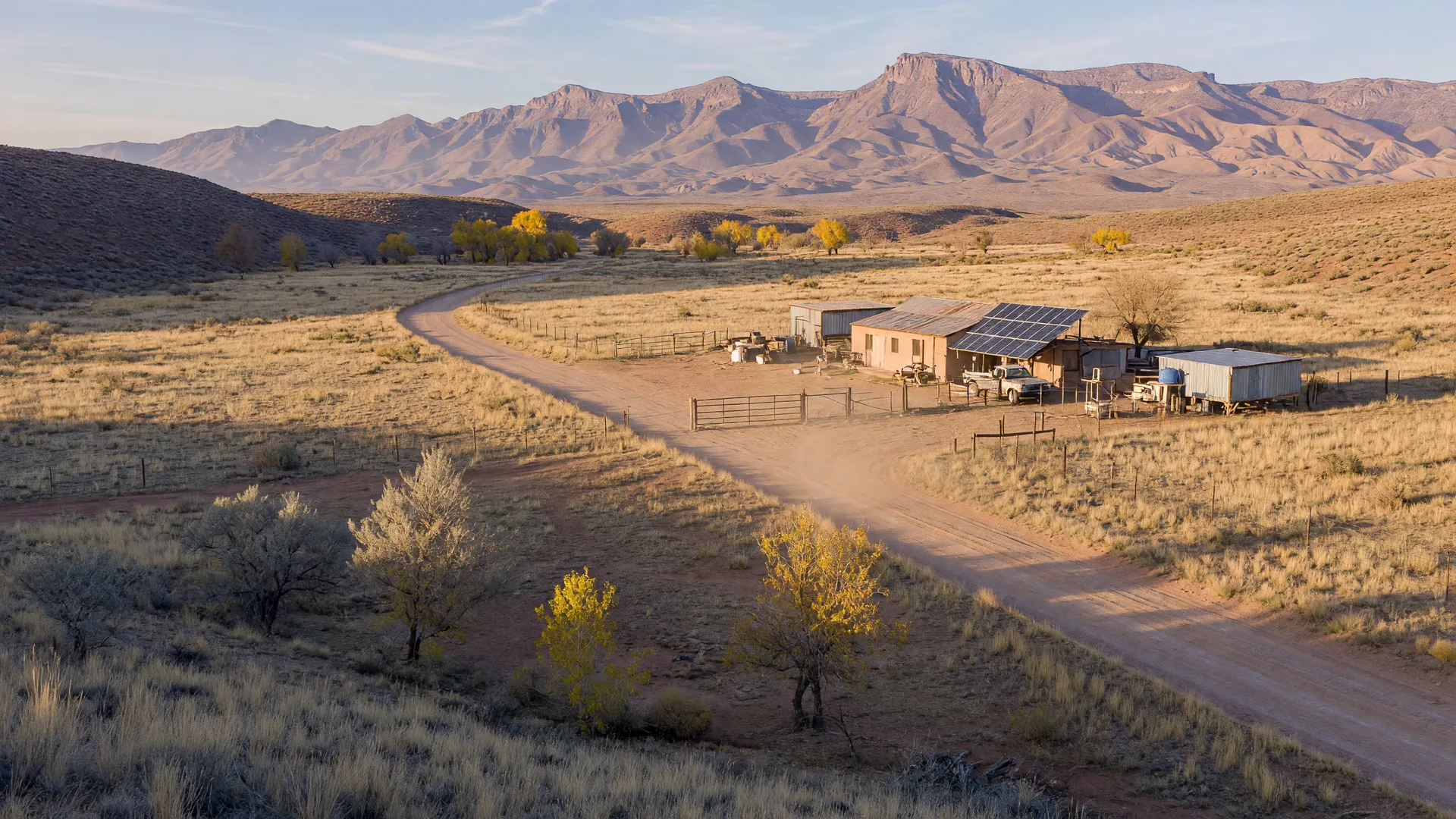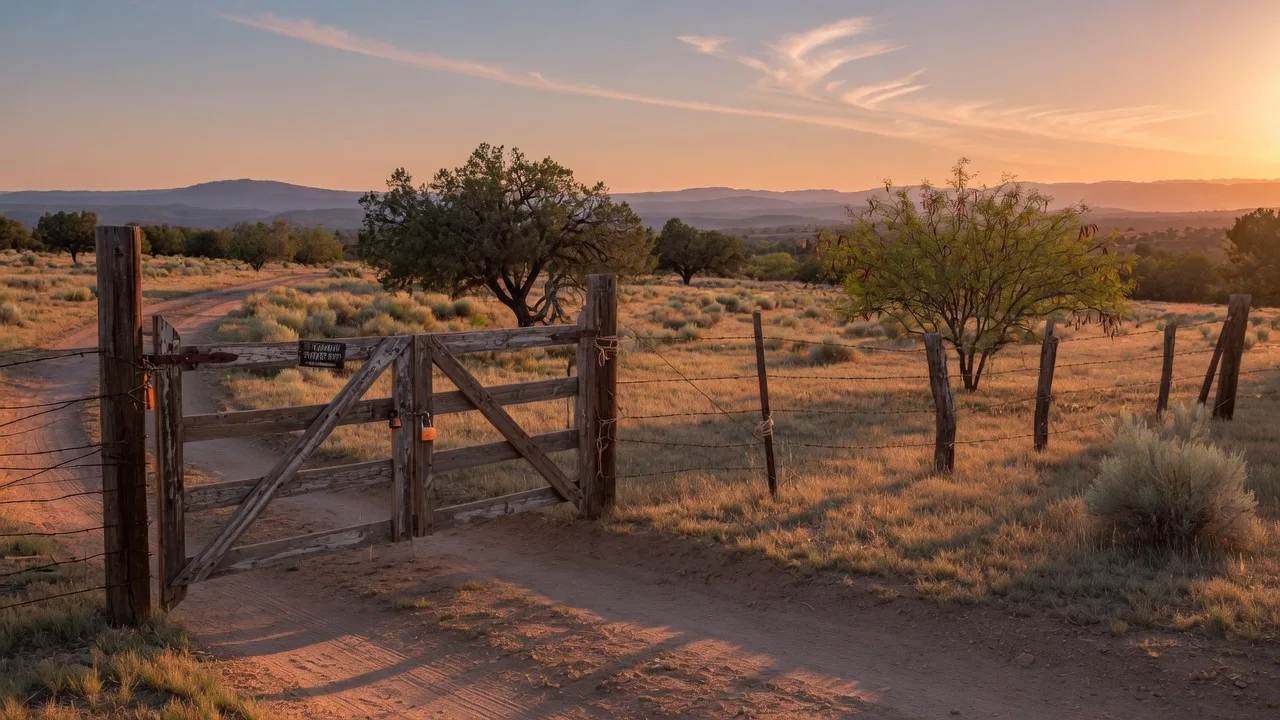
Inherited land in Gila County and not sure what it's worth or what to do with it? You're not alone, and there's good news: Arizona just made the first step easier. Since September 26, 2025, the small estate affidavit limit for real property jumped from $100,000 to $300,000, which means most inherited rural acreage in Gila County can now transfer to heirs without a full probate. Here's where to start, in plain terms, and what to check before you even think about a price.
Legal facts in this guide come from Arizona Revised Statutes section 14-3971, the Maricopa County Superior Court guide to transferring a small estate by affidavit, and the Pima County Superior Court instructions for the Affidavit of Succession to Real Property. This is general information, not legal advice.
THE SHORT ANSWER: TITLE COMES FIRST
Before you worry about value, marketing, or anything else, find out who owns the property right now. After a death, title usually sits in the name of the estate or the decedent, and a title company will not insure a sale until the public record shows title passed from the decedent to the heirs. That transfer is step one, and it's the step most heirs skip while they're still deciding what to do with the land.
THE $300,000 RULE: WHAT CHANGED IN 2025
Under Arizona Revised Statutes section 14-3971, an estate can transfer real property by Affidavit of Succession to Real Property, no probate needed, when the value of all real property in the estate located in Arizona, less liens and encumbrances as of the date of death, is $300,000 or less. That limit used to be $100,000. House Bill 2116 raised it to $300,000 effective September 26, 2025, and the personal property limit rose to $200,000 at the same time.
This matters more in Gila County than almost anywhere else in the state, because so much of what gets inherited here is raw acreage, a manufactured home on land, or a rural parcel with structures. Those properties routinely fall in the $100,000 to $300,000 range, which means a huge share of inherited rural land now qualifies for the fast path that used to require a full probate.
THE SIX-MONTH WAIT, AND WHAT BLOCKS THE FAST PATH
Here's the catch: at least six months must pass after the date of death before the affidavit can be filed. There's no hardship exception and no shortcut. The estate also has to be clear of any pending petition for appointment of a personal representative, and no personal representative can be appointed in any jurisdiction. If a formal probate is already underway, the affidavit path is off the table.
HOW THE AFFIDAVIT ACTUALLY WORKS
The process is straightforward but has specific steps. The heir or heirs entitled to the property under the will, or under Arizona's intestate succession rules if there is no will, prepare the affidavit and file it with the Superior Court in the county where the decedent was domiciled, or where the property is located if the decedent lived out of state. The Probate Registrar reviews and approves it, the court issues a certified copy, and that certified copy gets recorded with the County Recorder, which is the moment title actually passes. Filing fees are typically a few hundred dollars, and the whole process after the six-month wait is usually weeks, not months.
THE PATHS THAT AVOID PROBATE ENTIRELY
Worth knowing for the future: a recorded beneficiary deed under A.R.S. section 33-405 passes real property directly to a named person at death with no probate and no six-month wait, and joint tenancy with right of survivorship does the same for co-owners. If you're inheriting now, neither helps you, but if you own land and want to spare your own heirs this exact headache, a beneficiary deed is the cheapest, simplest fix Arizona offers.
WHAT MOST HEIRS GET WRONG
Three mistakes come up on almost every inherited rural property I work with. First, assuming the county assessor's value is the market value. Agricultural classification and stale assessor records can understate what a parcel is actually worth by a wide margin, and I've seen multiple sources show different acreage or even different zip codes for the same property. Second, assuming the family story about the property is current. The well, the septic, the access road, and the zoning all need to be verified as of today, not as of when the family last gathered there. Third, assuming an unconventional property has no market. A church on 80 acres, an old mobile home park, a CB-1 commercial corner: these don't fit a normal listing box, but they have real buyers, and they need an agent who knows how to position them.
"Inherited land is not a burden, it's an asset. The county's number, the family's memory, and the real market value are three different things, and only one of them tells you what to list it for."
WHEN YOU'RE READY TO SELL
Once title is clean, the next question is what the property is worth, and that's where thin rural comps make generalist agents nervous. That's my lane. I build pricing analysis from scratch for properties with no good comps, I verify the water, zoning, and access story before we ever talk price, and I market unconventional properties to the specific buyer who wants them. You can see how I present a property on my current listings page, and my About page covers why I work this market from Globe rather than Phoenix.
THE BOTTOM LINE
Start with title, confirm the estate qualifies under the new $300,000 limit, respect the six-month wait, and get the certified affidavit recorded. Then, and only then, worry about value. With the 2025 law change, most Gila County acreage can move through the fast path and become sellable in a matter of months.
Every family situation is different, so it's worth a conversation with an attorney who handles Arizona probate. What I can do is the real estate side: tell you what the property is actually worth, what it will take to sell it, and whether the well, septic, zoning, and access will hold up for a buyer. Call or text me at 480-797-1824, or send a message through the contact page, and we'll start with the questions that actually matter.
Written by Neil Blindauer

Realtor, DeLex Realty · A.I. Certified Agent™
With 9 years in real estate, I specialize in off-grid land, rural homesteads, and one-of-a-kind properties across Gila County, serving Globe, Miami, Winkelman and Kearny.
Learn more about Neil