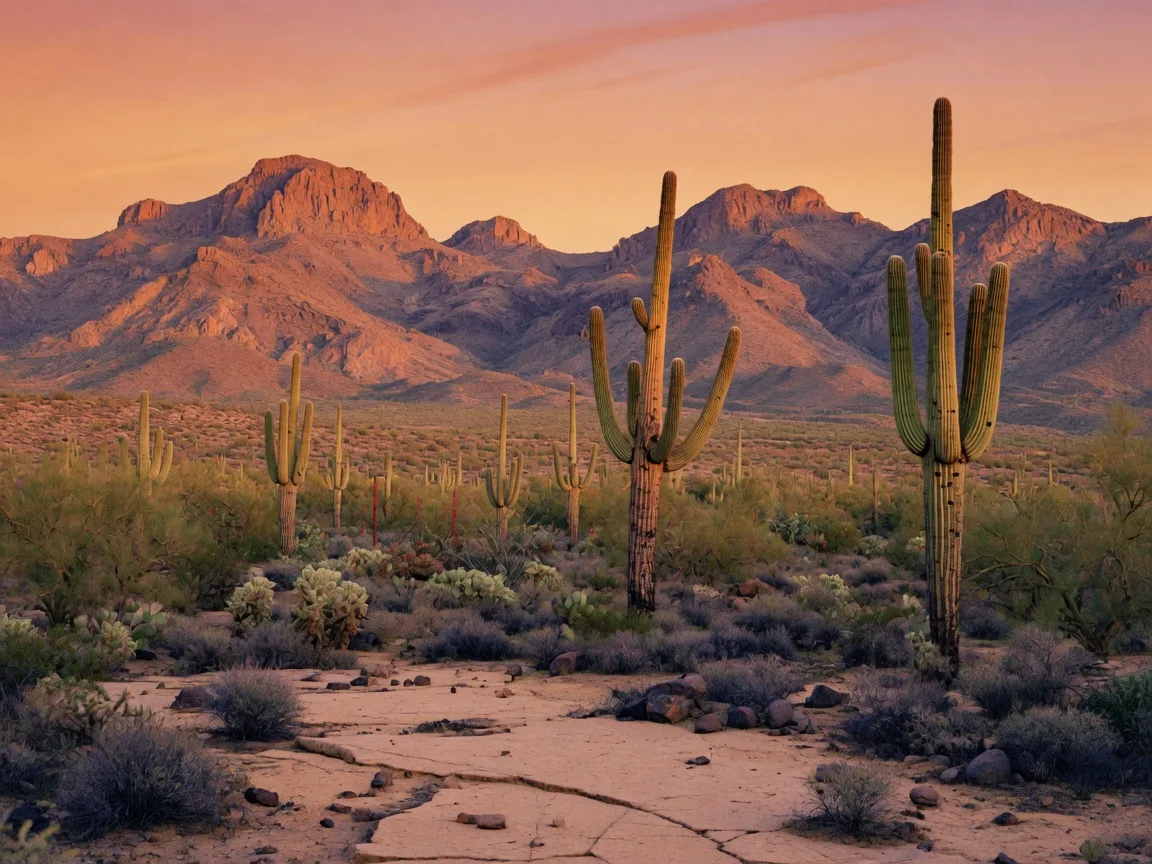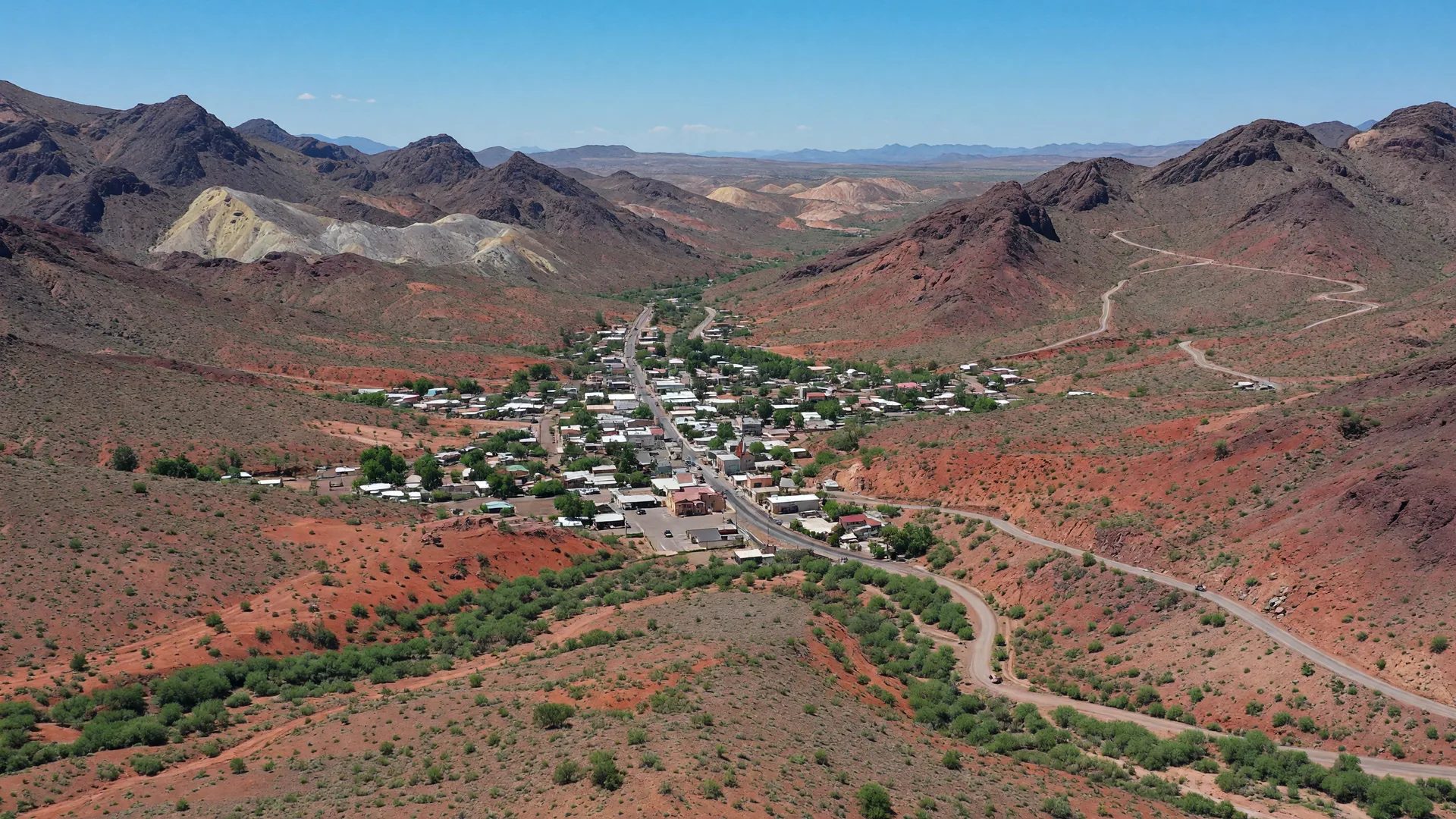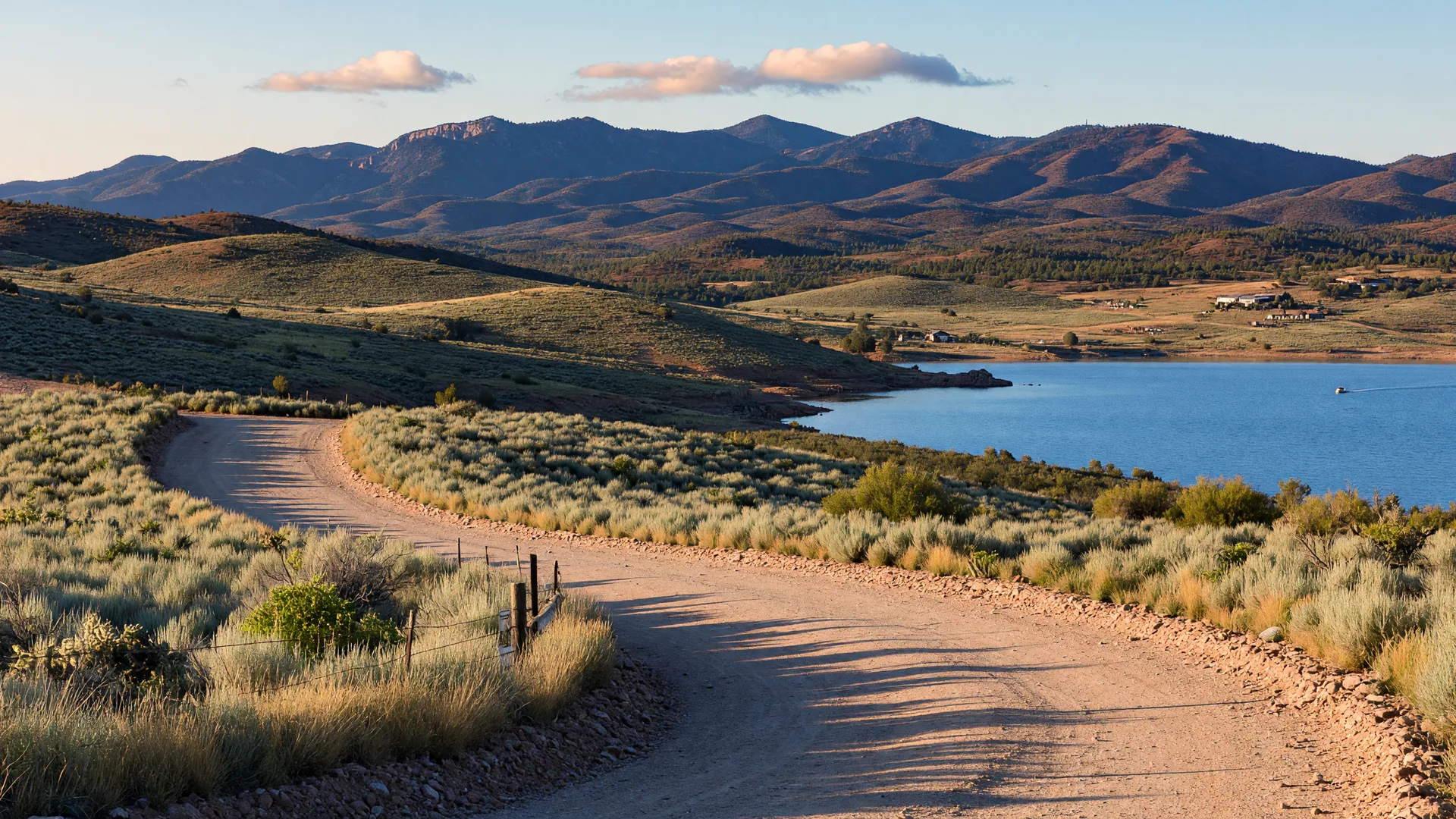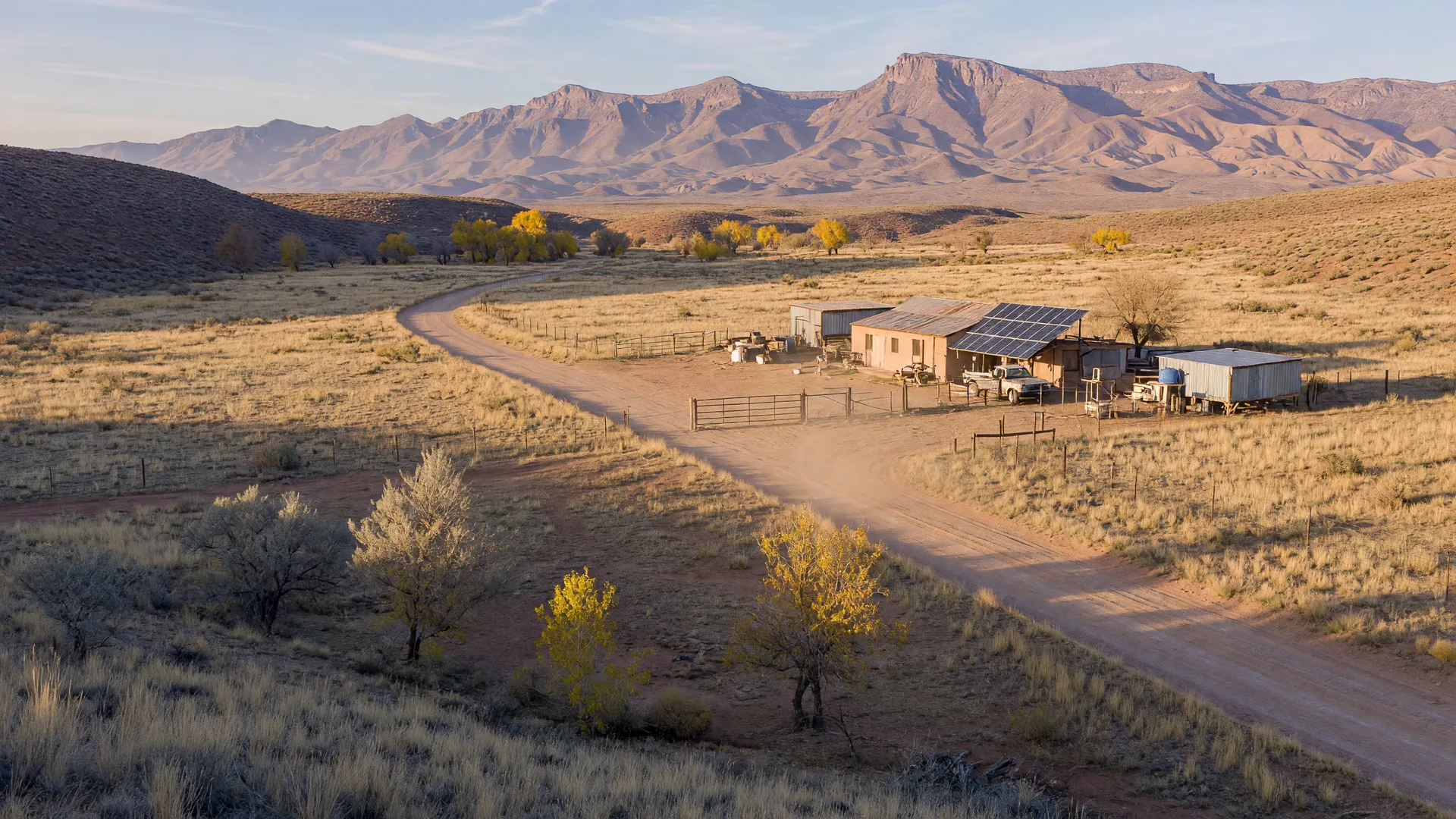
The Winkelman, Mammoth, and Aravaipa Canyon country is the most overlooked off-grid market in my territory, and that is exactly why it deserves your attention. Sitting at the southern end of the Highway 77 corridor I work every week, this corner of the Gila/Pinal border pairs some of the cheapest rural acreage in Arizona with one of the state's great protected wilderness areas, and it is changing right now in ways buyers should understand before they make an offer. Here is what the area actually is, what the land runs, where the water and zoning realities sit, and what to check before you buy.
Area, wilderness, and market details in this guide come from the Bureau of Land Management's Aravaipa Canyon Wilderness page, the BLM announcement of the Cross F Ranch acquisition, the Travel + Leisure profile of Aravaipa Canyon's fall foliage, the Faraday Copper announcement of BLM approval for exploration at Copper Creek, the Arizona Daily Star's reporting on the lawsuit over the proposed mine, the Gila County Code of the West, and the Mammoth and Winkelman market reports. This is general information, not legal or investment advice.
THE SHORT ANSWER: THIS IS THE CHEAP PRIVATE LAND YOU'VE BEEN SEARCHING FOR
When people ask me where to find affordable off-grid acreage that still has real access to services, the answer I give more often than they expect is south of Globe, down Highway 77 to Winkelman and Mammoth, and east along Aravaipa Road. The area is the southern bookend of the South Highway 77 corridor I cover in another guide, but it is a different market in one important way: most of the inventory sits in eastern Pinal County, where there is far more private land to buy than there is on the Gila County side of the line. That means more supply, bigger parcels, and prices that do not exist closer to Globe. And the whole thing is anchored by Aravaipa Canyon, one of the most protected, least developed wild places in Arizona, which is a large part of why the buyer profile here is so consistently the same person.
WHERE THE AREA ACTUALLY IS
Mammoth sits on the west bank of the San Pedro River at the foot of the Galiuro Mountains, roughly 40 miles northeast of Tucson. Winkelman lies about 20 to 25 minutes north of Mammoth on Highway 77, where the San Pedro meets the Gila River, with its sister town Hayden just across the water on the Gila County side. San Manuel sits about 12 miles south of Mammoth. Keep driving north on Highway 77 for about 40 minutes and you are in Globe. In other words, this is one continuous rural corridor connecting Tucson on the south end to the Globe market on the north, which is exactly how I treat it: not as two separate markets, but as one road with different flavors along the way.
The county line matters more here than anywhere I work. Winkelman is a straddle town: the county line follows the Gila River, so the town center and town hall sit in Gila County while the official town boundary extends across the river into Pinal County. Mammoth, and the parcels along Aravaipa Road heading east toward the canyon, sit in eastern Pinal County. That distinction changes which county issues permits, which zoning rules apply, and how the assessor records the parcel, so always confirm which county a property's legal description actually falls in before you fall for the view.
ARAVIPA CANYON IS THE DRAW, AND IT IS PERMANENT
Aravaipa Canyon is a 19,410-acre wilderness administered by the Bureau of Land Management, about two hours from both Phoenix and Tucson, famous for its perennial creek, its sheer cliffs, its fall foliage, and its birdlife. It is strictly protected: the canyon allows only about 50 visitors per day, permits are required, and there are no trails, campsites, or facilities inside the wilderness. That is the whole point, and it is why the land around it holds its value. The canyon has been getting well-deserved national attention lately, including a Travel + Leisure profile of its fall foliage in October 2025 and BLM highlighting its birding in mid-2026.
The protection is also getting bigger. In November 2021, BLM completed the purchase of the 2,831-acre Cross F Ranch northeast of the wilderness, working with the Trust for Public Land and Arizona Game and Fish, which opened roughly 30,000 previously inaccessible acres to recreation and conservation. For a land buyer, the lesson is simple: the flank of this area that faces a designated wilderness is not going to be built out or industrialized. Proximity to Aravaipa is durable, protected value, and that is a rare thing to be able to say about a rural market.
THE COPPER CREEK QUESTION: WHAT BUYERS SHOULD KNOW RIGHT NOW
The current local story in this market is a proposed copper mine. Faraday Copper's Copper Creek project sits roughly nine miles east of Mammoth in the Galiuro foothills, and the company describes it as one of the largest undeveloped copper resources in North America. Here is what a buyer actually needs to know about it: the project is still in the exploration phase. The Bureau of Land Management approved an exploration plan in July 2025 allowing up to 67 drill pads on federal land, and drilling has been underway since, but no construction of a mine has been approved and the project is years away from any such decision.
It is also genuinely contested. In March 2026, the San Carlos Apache Tribe and conservation groups filed a federal lawsuit over potential impacts to the Mexican spotted owl, the San Pedro River, and Aravaipa Canyon. I am not going to take a side in that fight here; that is not my job. My job is to make sure you are not surprised by it later. A buyer considering land near Mammoth should ask about the project, understand that it is in litigation, and think through what it could mean for groundwater and long-term land use if it ever moved forward. This is exactly the kind of context a local agent should raise unprompted, and it is the kind a generalist agent will never think to mention.
WHAT THE MARKET ACTUALLY LOOKS LIKE
Prices here are among the most affordable in Arizona. Recent market reports put Mammoth's median list price around $205,000 in mid-2026, with inventory dominated by 1950s and 1970s ranch and manufactured homes on generous Pinal County lots, bought largely by cash and rural-financing buyers. Winkelman's median home value sits near $53,000, meaning in-town houses at prices that barely exist anywhere else in the state. Numbers like these move, so treat them as a starting point, not a quote, but they give you the honest shape of the market.
On the land side, the inventory shapes up like this: small in-town lots from under an acre up to a few acres in and around Winkelman and Mammoth, five and six acre parcels just outside town, and the real ranchettes, from about 40 acres up to roughly 138 acres, along Aravaipa Road heading east toward the wilderness. My guide to Gila County land prices by area walks through how these compare to the rest of the territory, and the same rule I apply everywhere applies here: water moves price per acre more than anything else, and a parcel with a documented, producing well is a different asset than one where you drill and hope.
WATER IS THE WHOLE BALLGAME HERE
There is no municipal water service on most of these parcels. The area's signature water feature, Aravaipa Creek, runs perennial, but stream water does not automatically come with a parcel. You buy the legal description, not the view, and riparian land is not the same thing as buildable land with a well. The standard solution is a private or joint-use well. Wells in this region commonly run 300 to 700 feet deep, and recent drilling costs in the area land around $35 to $60 per foot, so the all-in cost of a producing well is a serious line item, often tens of thousands of dollars. The alternative is water hauling and a cistern, which some off-grid owners do happily and others quietly regret.
This is the single biggest difference between this corner and the areas closer to Globe, and it is why the due diligence list here starts with water and ends with water. My guide to verifying water access before you offer covers how to pull the well record and check feasibility, and the well drilling guide explains the Arizona rules for getting a well on your parcel in the first place.
"When a buyer calls me about a parcel near Mammoth or along Aravaipa Road, the first thing I ask about is never the price. It is the water. A cheap parcel with no well story can cost you as much as a well-priced parcel that already has one. That math is the whole market out here."
THE PINAL SIDE VS. THE GILA SIDE
The most important thing to understand about this corner is the county line, because it changes the rules. Gila County has almost no private land: roughly 4,748 privately owned acres out of about 3 million total, with most of the rest being national forest, state, or San Carlos Apache land. That is why listings are scarce on the Gila side. Eastern Pinal County, by contrast, has abundant private land, which is why almost all of the inventory here sits there.
Zoning differs accordingly. Pinal County's General Rural district carries a minimum lot size of about 1.25 acres, so sub-acre parcels are generally not buildable there. Gila County requires building permits in all unincorporated areas and states plainly that not all properties that are for sale are legal for building. Groundwater rules differ too. Gila County has no Active Management Area, and the Mammoth and Aravaipa corner of Pinal sits outside the stricter pumping rules that apply in central Pinal, but the regulatory picture is not static, so checking current status is part of the due diligence. My zoning 101 guide explains what classifications like GR and CB-1 really mean, and the same advice applies here as everywhere: confirm the county, the zoning, and the buildability of the exact parcel you want, not the one next to it.
WHO THIS CORNER IS RIGHT FOR (AND WHO IT ISN'T)
This area is right for the cash-flexible or rural-financing buyer who wants large acreage at low cost, the solar-first buyer who is comfortable with deep wells or water hauling, the buyer drawn by wilderness access, quiet, and no HOA, and the person who wants to be close enough to Tucson, about an hour away, for services while living far from its density. It is not right for the buyer who needs municipal utilities, who expects a quick conventional financing timeline without flexibility, who wants subdivision amenities, or who needs a short daily commute into a city. If you plan to finance a manufactured home on acreage here, read the financing guide first, because the affixture rule and the rural deal structure change how that loan works.
WHAT TO CHECK BEFORE YOU OFFER
Everything in this corner comes down to the same short list, and I run it on every property:
Water. Pull the well record, confirm the well is on the parcel you are buying, verify depth, yield, recency, and the condition of the pump and tank, and understand whether a joint-use well is involved. No well on the parcel means a feasibility assessment before you offer, not after. County and zoning. Confirm the exact county, the zoning district, and the minimum lot size for building, and get the buildability answer in writing. Access. Drive the last miles yourself, because the final stretch of Aravaipa Road is county-maintained dirt, and get any easements in writing. Power. Confirm whether the parcel is grid-served and by which utility, how far the nearest service drop is, or whether solar is the real plan. My grid versus solar guide covers the line-extension reality. Connectivity. Check internet and cell service at the parcel itself, not the nearest town. Title. On rural and inherited parcels, verify the legal description matches what is being sold and watch for reserved mineral or water rights, because a mining district has a long memory when it comes to mineral interests.
THE BOTTOM LINE
The Winkelman, Mammoth, and Aravaipa Canyon country is the overlooked southern bookend of the rural corridor I work from Globe, and for the right buyer it is one of the best values in Arizona: large private acreage, a protected wilderness on the doorstep, and prices that are hard to find anywhere else in the state. It is also a market where the details decide everything: which county a parcel sits in, whether the well story checks out, how the zoning reads, and the current status of the Copper Creek project. That is exactly the kind of local knowledge a Globe-based specialist brings to a transaction, and exactly why I tell buyers not to shop this corner blind.
If you are looking at a parcel near Mammoth, Winkelman, or Aravaipa Road and want to know whether the well, the zoning, or the county line checks out, that is a conversation I have every week. You can see how I present the kind of properties I sell on my current listings page, and my About page explains why I work this market from Globe rather than Phoenix. Let's talk; give me a call or text at 480-797-1824, or send a message through the contact page, and we'll start with what you actually want to do with the land.
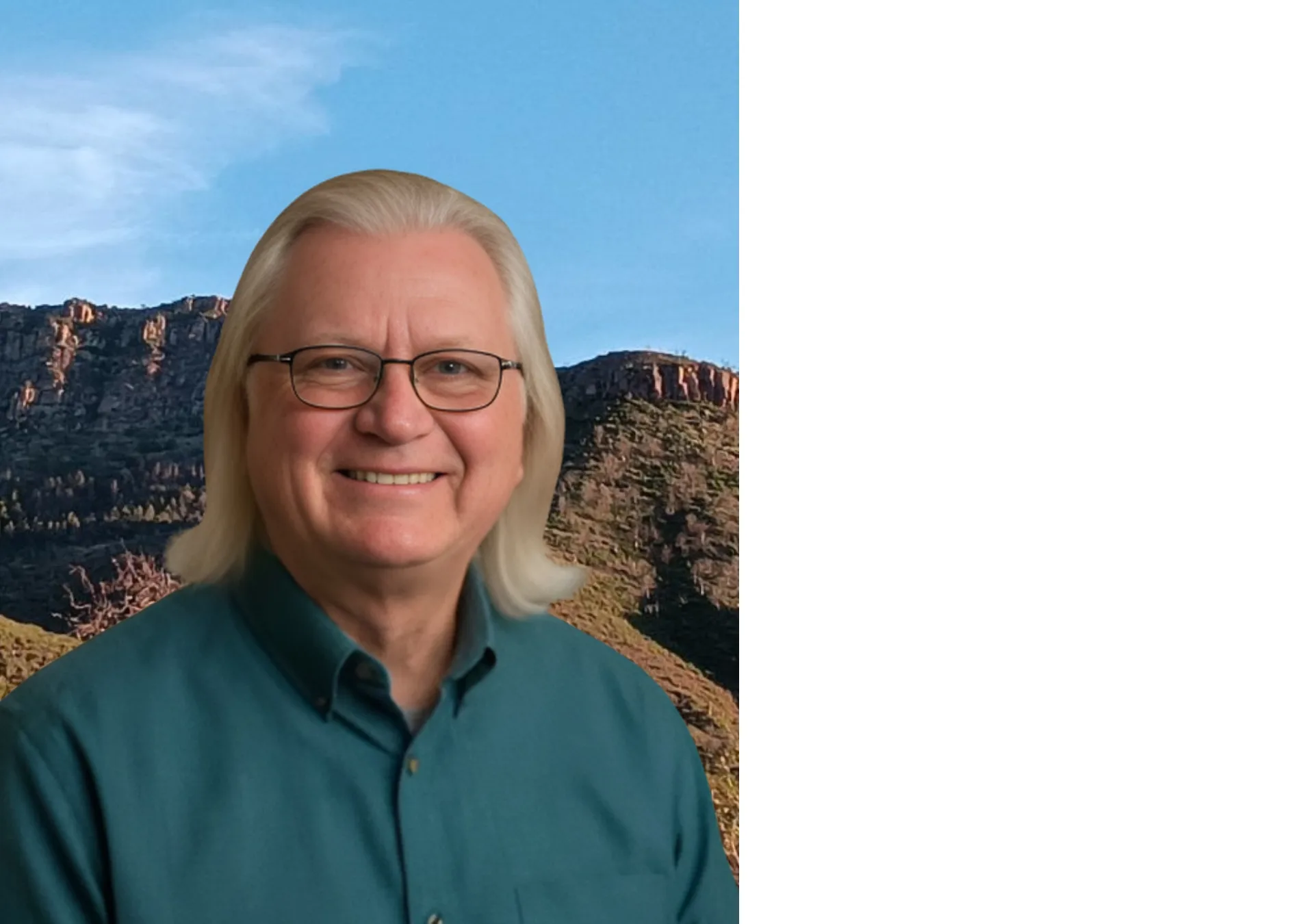
Written by Neil Blindauer

Realtor, DeLex Realty · A.I. Certified Agent™
With 9 years in real estate, I specialize in off-grid land, rural homesteads, and one-of-a-kind properties across Gila County, serving Globe, Miami, Winkelman and Kearny.
Learn more about Neil