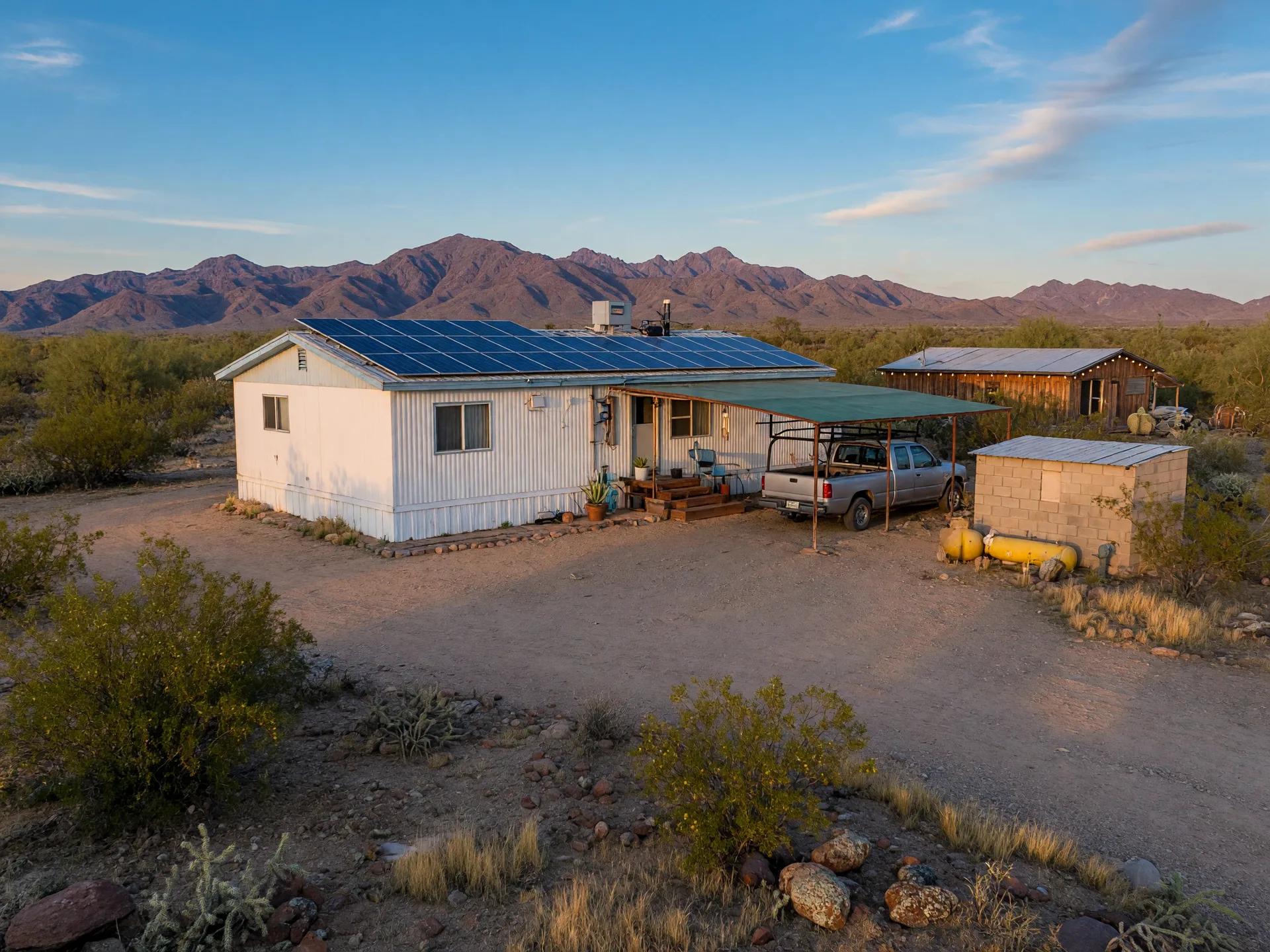
If you own a rural, off-grid, or unconventional property in Gila County and it's been sitting on the market with no activity, you're not alone. I see this all the time. And the reason usually isn't the property itself — it's how it's being presented, priced, and positioned.
THE PROBLEM: YOUR PROPERTY DOESN'T FIT IN A NORMAL LISTING BOX
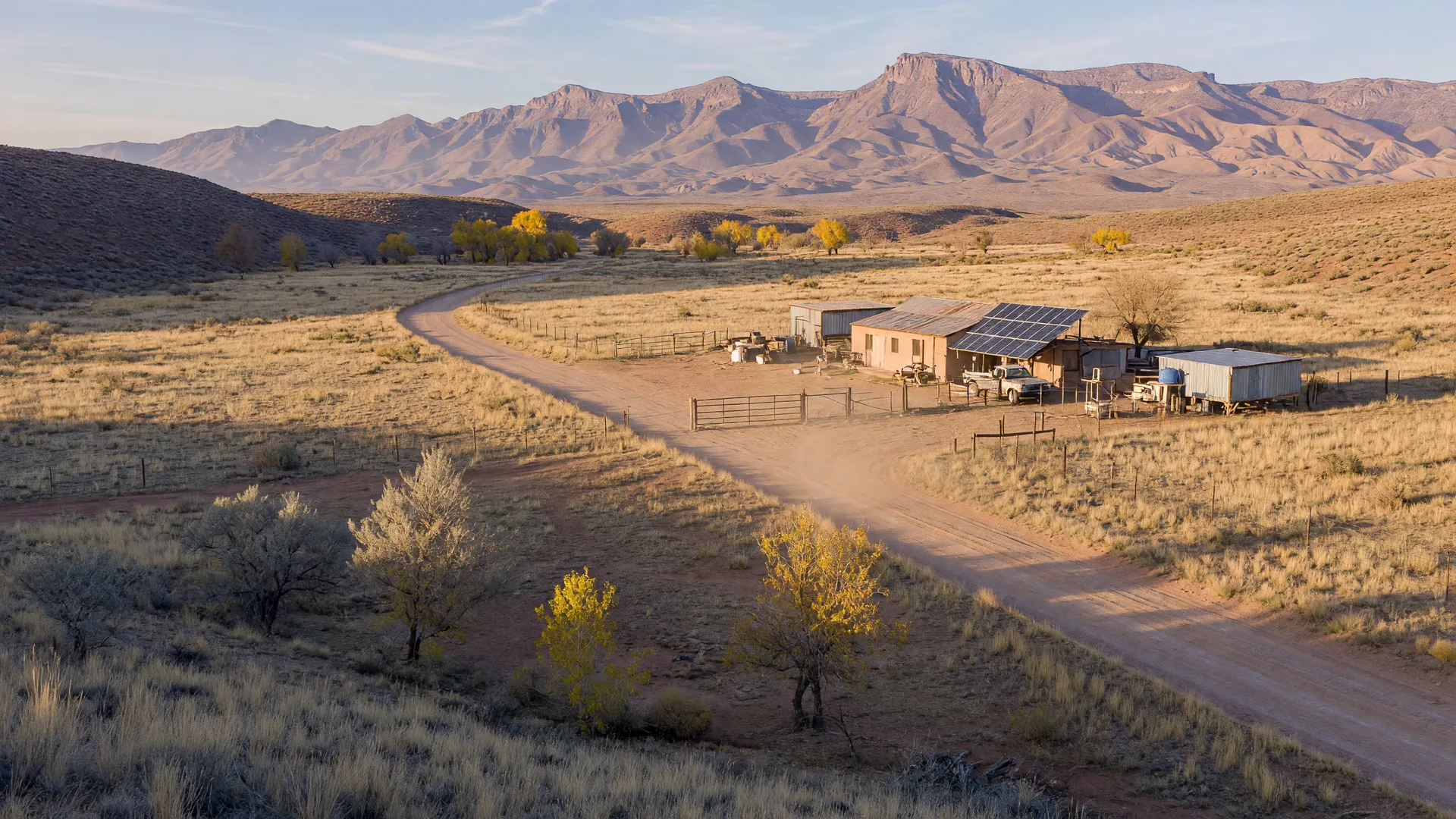
A manufactured home on 10 acres with a well, solar, and a workshop isn't the same as a 3-bedroom in a subdivision. A church on 80 acres with two structures isn't a standard residential listing. A CB-1 commercial corner parcel isn't a "vacant lot."
When a property doesn't fit a standard search filter, it doesn't surface to the right buyers. The listing description, the photography, the pricing strategy, and the marketing angle all need to be tailored to reach the specific buyer who wants exactly what you have.
MOST AGENTS DON'T UNDERSTAND WHAT THEY'RE LISTING
This isn't a knock on generalist agents. It's a reality. If an agent primarily sells homes in subdivisions, they don't know how to price a property where there are no good comps. They don't know to highlight the water access, the solar system, or the zoning classification. They don't know what makes this property attractive to the specific buyer who's looking for it.
And here's the thing: most generalist agents will pass on the listing entirely. Off-grid, rural, and unconventional properties are harder to price, harder to photograph, harder to market, and harder to close. Many agents simply don't want the extra work.
"EVERY off-grid parcel listed by a valley agent has not sold. The ones that have sold have been where Neil was involved." — Repeat Client
THE PRICING PROBLEM
Pricing rural and off-grid property is genuinely difficult. The comps are thin, the assessor data can be stale or conflicting, and agricultural-vs-market valuation gaps create confusion. I've seen multiple sources showing different acreage, square footage, or even city/zip for the same address.
Sellers get stuck in two traps:
- Overpricing based on hope: "I know what it's worth" without a credible comp analysis to back it up. The listing sits, buyers scroll past, and the property gains a "stale listing" stigma.
- Underpricing based on confusion: When assessor data wildly undervalues a property, sellers accept lowball offers because they don't have a solid number to anchor to. I've seen this directly with parcels where the agricultural valuation obscured the real market value.
WHAT ACTUALLY WORKS
Here's what I do differently when I list an unconventional property:
- Price from real analysis, not guesswork. I build a comp analysis from scratch, accounting for zoning, water access, solar, acreage, and the specific characteristics that affect value.
- Market to the right buyer. I know who buys off-grid properties and where they look. The listing language, photography, and positioning all target that buyer specifically.
- Highlight what makes it unique. The off-grid systems, the acreage, the zoning potential, the privacy — these are selling points, not disclosures to bury.
- Manage the process. Rural transactions have more moving parts. Well/septic verification, access easements, title issues, and financing quirks all need proactive management. That's where my 20+ years of sales experience earns its keep.
THE BOTTOM LINE
If your rural property isn't selling, it's probably not the property. It's the positioning, the pricing, or the agent. You need someone who understands what you're selling and knows how to reach the buyer who wants it.
That's what I do. Let's talk about your property and figure out the right strategy.

Written by Neil Blindauer

Realtor, DeLex Realty · A.I. Certified Agent™
With 9 years in real estate, I specialize in off-grid land, rural homesteads, and one-of-a-kind properties across Gila County, serving Globe, Miami, Winkelman and Kearny.
Learn more about Neil