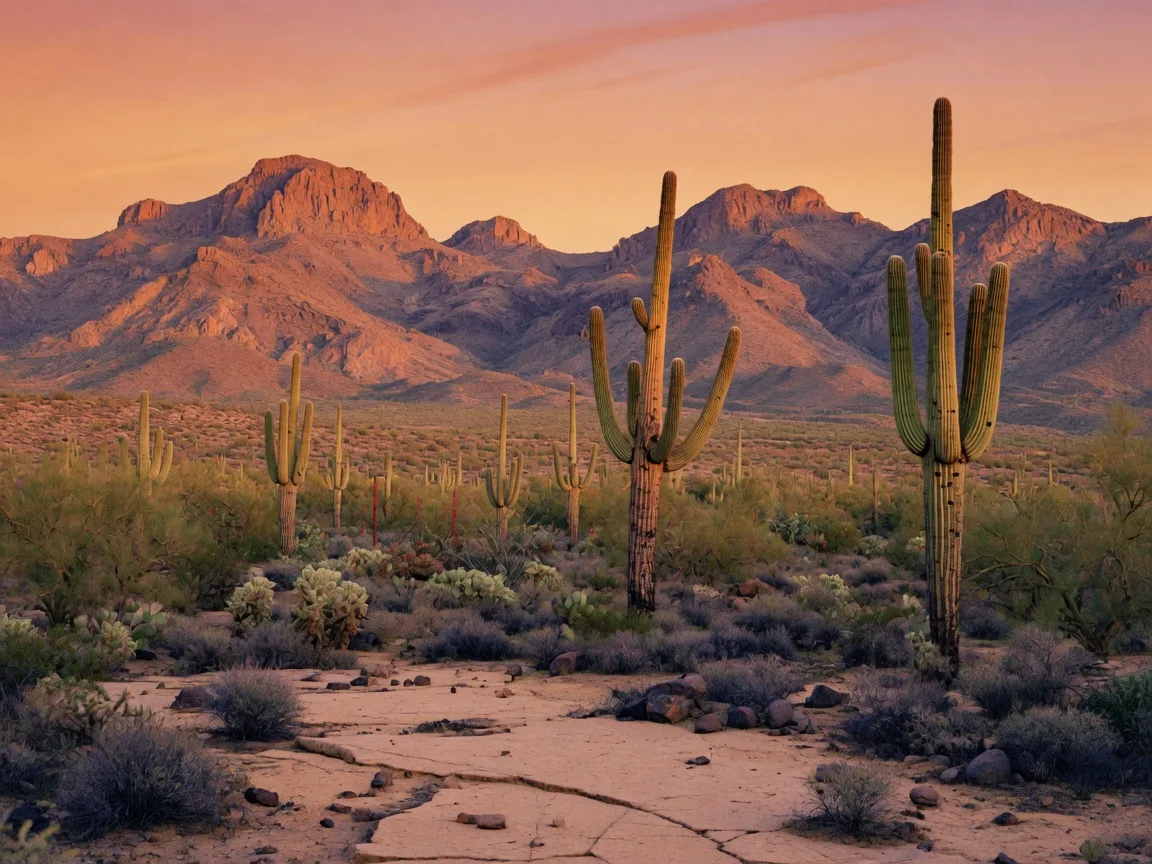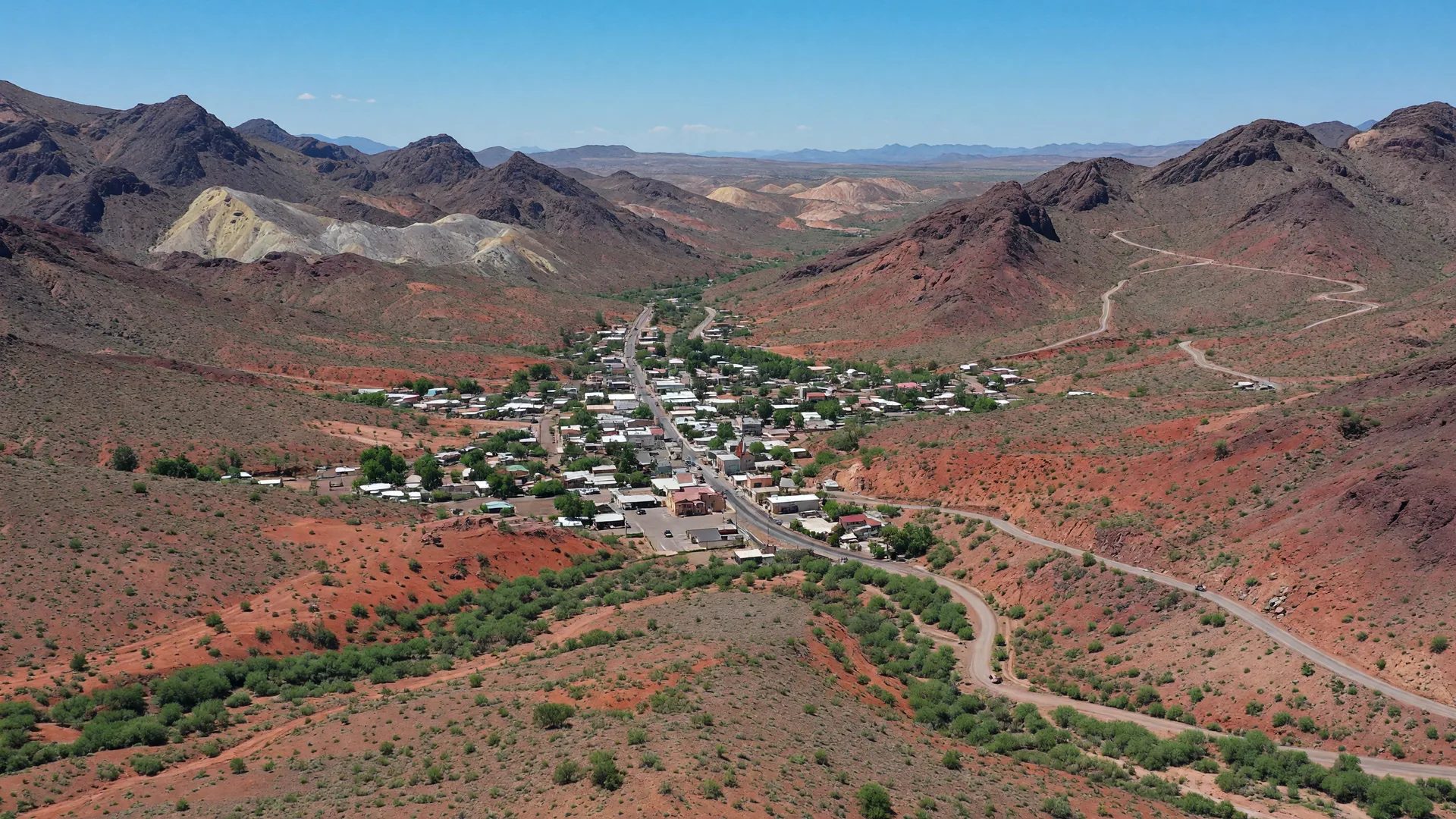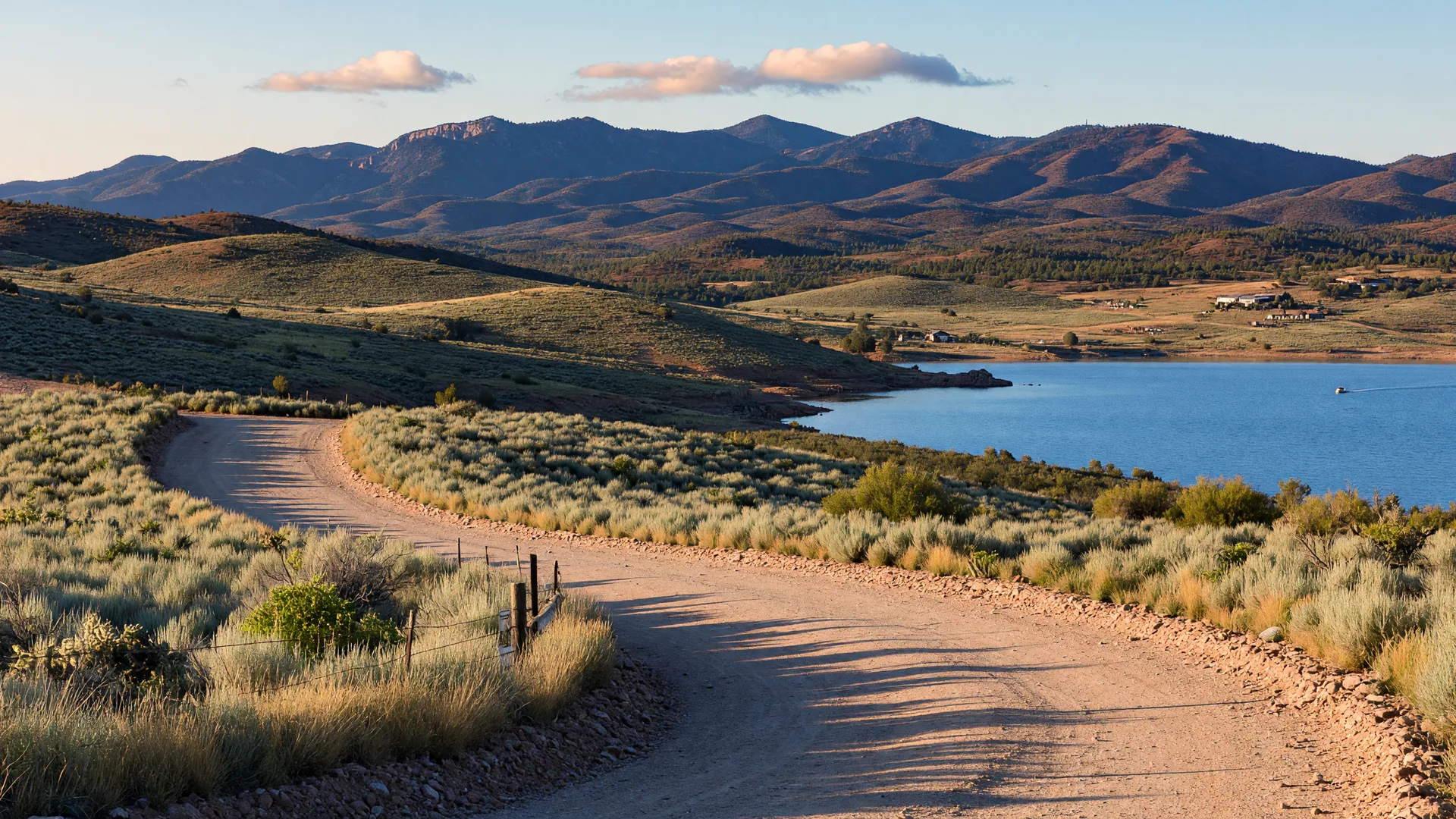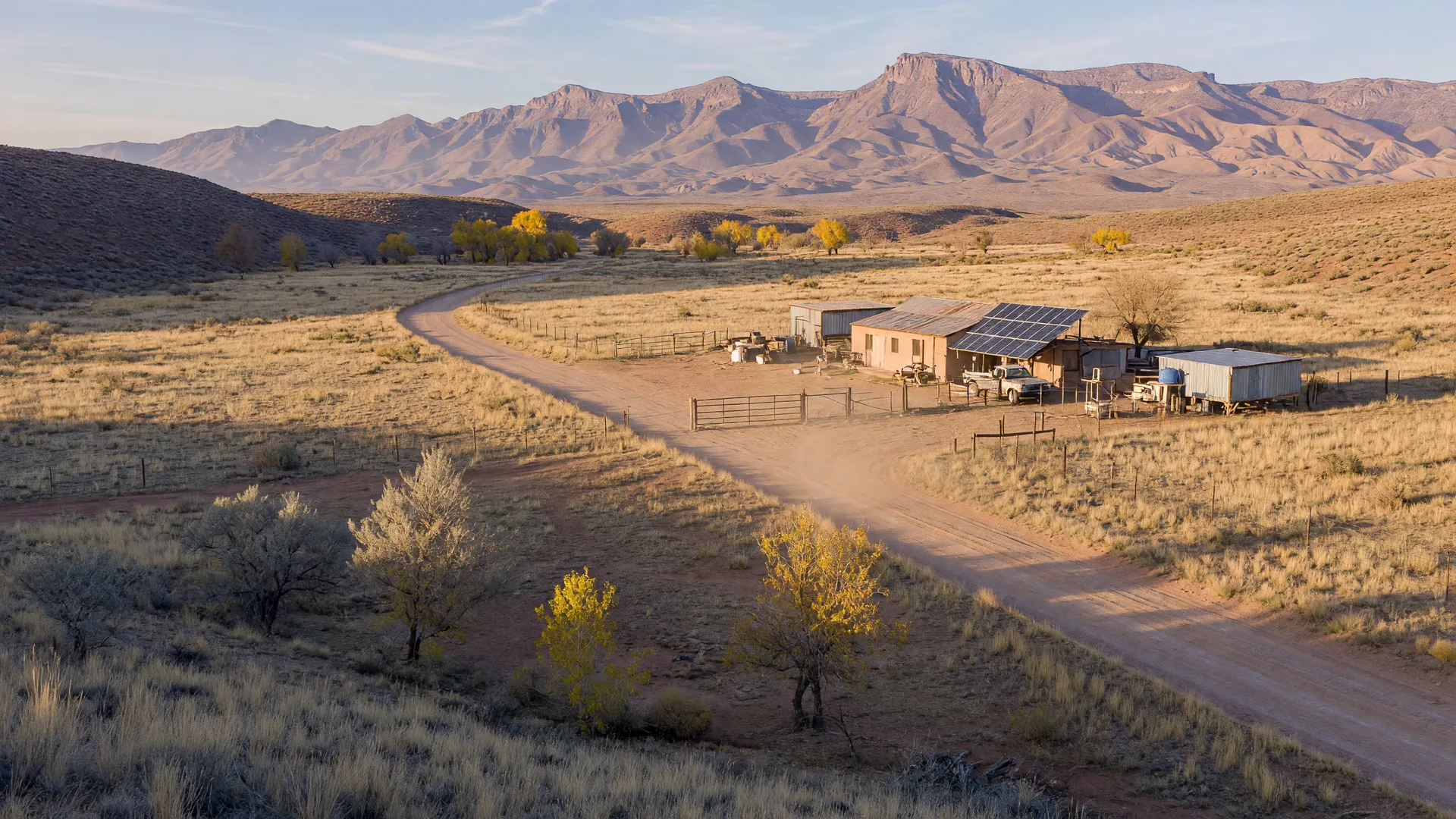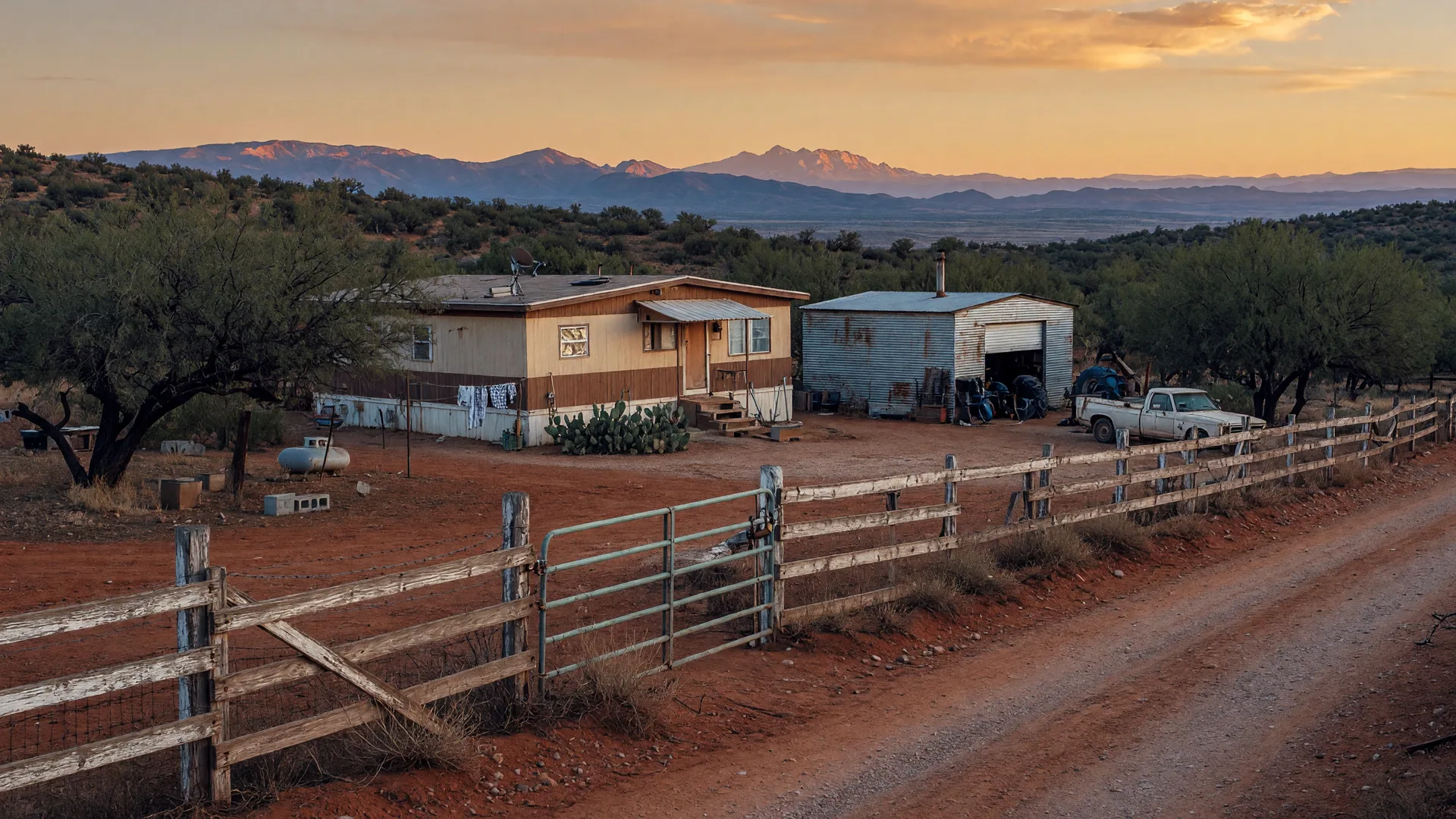
How much land do you actually need for a homestead, hobby ranch, or corrals? The honest answer is that most Gila County buyers land in the 5 to 20 acre range, but acreage alone is not the deciding factor. What really determines whether a parcel works for you is zoning, septic capacity, water access, and how you plan to feed animals in the desert. Here is how I walk buyers through that math after nearly a decade of selling rural and off-grid property in Gila County.
THE SHORT ANSWER
The useful starting point is what you plan to do with the land, because the acreage ranges are very different for a garden, a few animals, or a full self-sufficient homestead:
- A large garden with a few chickens: 1 to 2 acres can genuinely work.
- A hobby ranch with room to breathe: 5 acres is the practical starting point most buyers should plan around. It gives you room for a home, a shop, corrals, and a buffer from neighbors.
- More comfort and flexibility: 10 acres is where most people stop feeling crowded.
- Full self-sufficiency for a family of four, crops and livestock: estimates commonly run 15 to 17 acres.
Those are general benchmarks, and they hold up well in this market. The median land listing in Gila County runs around 20 acres, so a 5 to 20 acre parcel is squarely in the realistic, buyable range, whether you are looking near Globe, out toward Tonto Basin, or down the Highway 77 corridor. I break down the current numbers in my Gila County land market guide.
ZONING SETS THE REAL LIMITS
Acreage is the easy part. The hard part is what the county actually allows you to do on that acreage, and this is where most buyers get tripped up.
Gila County regulates livestock by animal units on non-agricultural parcels. Under the county's zoning ordinance, one large animal, three medium animals, or ten small animals each count as one animal unit. That structure matters if you plan to run horses, cattle, goats, or a serious flock, because it sets the ceiling on how many animals a parcel can carry.
The good news: keeping livestock is treated as a normal rural use in Gila County, not a special event you have to fight for. The county's own "Code of the West" language makes clear that animals and rural living are expected out here. But the specific zoning district on your parcel still controls the details, from minimum lot sizes to setbacks to how agricultural and residential uses mix. I cover the districts in depth in my Gila County zoning guide, and the short version is: check the district before you fall in love with the view.
"Is this zoned for what I want to do?" is the question I answer before you waste time on a parcel that can't carry your animals or your shop. That's not an MLS lookup. That's knowing the county ordinance.
SEPTIC SETS THE FLOOR
Before you can build anything, you need somewhere for the wastewater to go, and septic rules quietly set the minimum practical parcel size.
Arizona does not have one statewide minimum lot size for septic. Instead, the Arizona Department of Environmental Quality requires that a lot be large enough to fit the septic system plus a 100% reserve area for a future replacement system. In practice, a conventional septic with its drainfield and reserve commonly fits on roughly one acre of rural land, and that is the benchmark I use when a buyer asks whether a small parcel is even worth a look.
The catch is that the exact requirement depends on soil type, the number of bedrooms, and your county's rules, which vary from place to place. A tiny parcel with poor soil can effectively be unbuildable, while a well-drained acre can work fine. This is exactly the kind of thing that does not show up on a listing photo, and it is why I run a feasibility check before I ever recommend an offer.
WATER AND THE 100-FOOT RULE
Water is the other constraint that shapes how much land you need, and it comes with a specific number worth knowing.
Under ADEQ rules, the entire septic system, including the tank, the drainfield, and the reserve area, must sit at least 100 feet from any private drinking water well. That 100-foot separation has to fit on your parcel, which is another reason a bare acre is often the practical floor rather than a comfortable minimum.
Beyond the setback, you need to know whether the parcel can actually produce water. Well depth, flow rate, and water quality vary dramatically from one Gila County property to the next, and I walk through exactly how to verify that before you offer in my water access guide.
HORSES AND PASTURE IN THE DESERT
If horses are part of the plan, the acreage math changes, and Arizona is a different world from the green pastures most horse advice assumes.
The standard rule of thumb is about two acres of well-managed pasture per 1,000-pound horse if the pasture is expected to supply most of the forage. But in arid Arizona, pasture productivity is far lower, and estimates for meeting a horse's needs on pasture alone can run 10 to 30 acres per horse. That is why most Arizona horse owners feed hay rather than relying on grazing.
The practical takeaway: if you want horses, buy for the corral, the shelter, and the hay storage, and treat pasture as a bonus rather than the food source. A 5 acre parcel with a good corral setup can work beautifully for a horse or two when you are feeding hay. And there is no statewide acreage-per-horse law in Arizona, so the limits are set locally, which means the specific parcel's zoning is the answer, not a general rule.
HOW TO THINK ABOUT IT
Here is how I would sum it up for a buyer: start with what you want to do, then verify the parcel can actually support it. The order matters.
- 1 Define the use. Garden only, a few animals, horses, or full self-sufficiency? That sets your acreage target.
- 2 Check the zoning district. Confirm the animal units, minimum lot size, and use rules for that specific parcel.
- 3 Verify septic feasibility. The system plus its reserve has to fit, with the 100-foot buffer from the well.
- 4 Confirm water. Well feasibility, not just the setback, before you get emotionally invested.
- 5 Walk the land. Roads, terrain, neighbors, and access tell you more than any map.
That is the process I run on every property I show, and it is why buyers tell me the purchase feels de-risked instead of scary. If you want to run your specific plan past someone who knows the land, that is exactly what I am here for. See what is currently available on my listings page, or reach out and tell me what you are dreaming about building.
Written by Neil Blindauer

Realtor, DeLex Realty · A.I. Certified Agent™
With 9 years in real estate, I specialize in off-grid land, rural homesteads, and one-of-a-kind properties across Gila County, serving Globe, Miami, Winkelman and Kearny.
Learn more about Neil