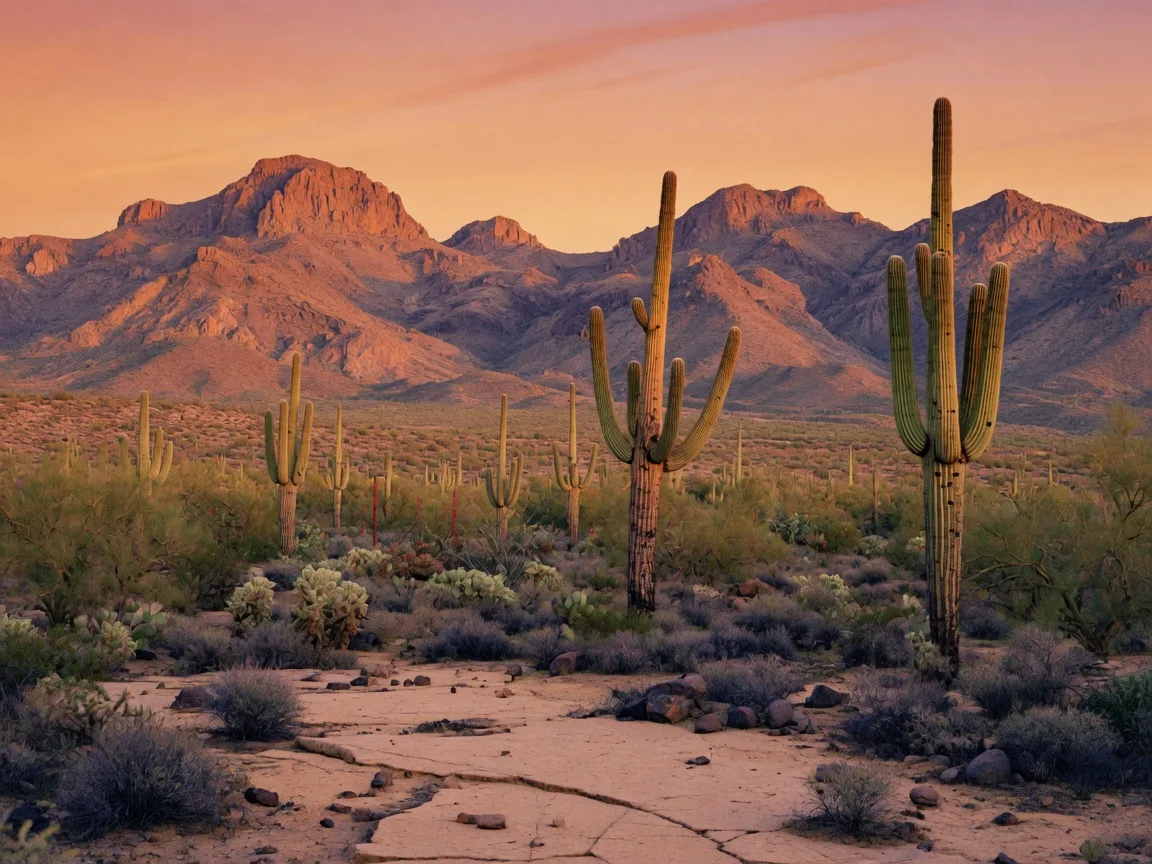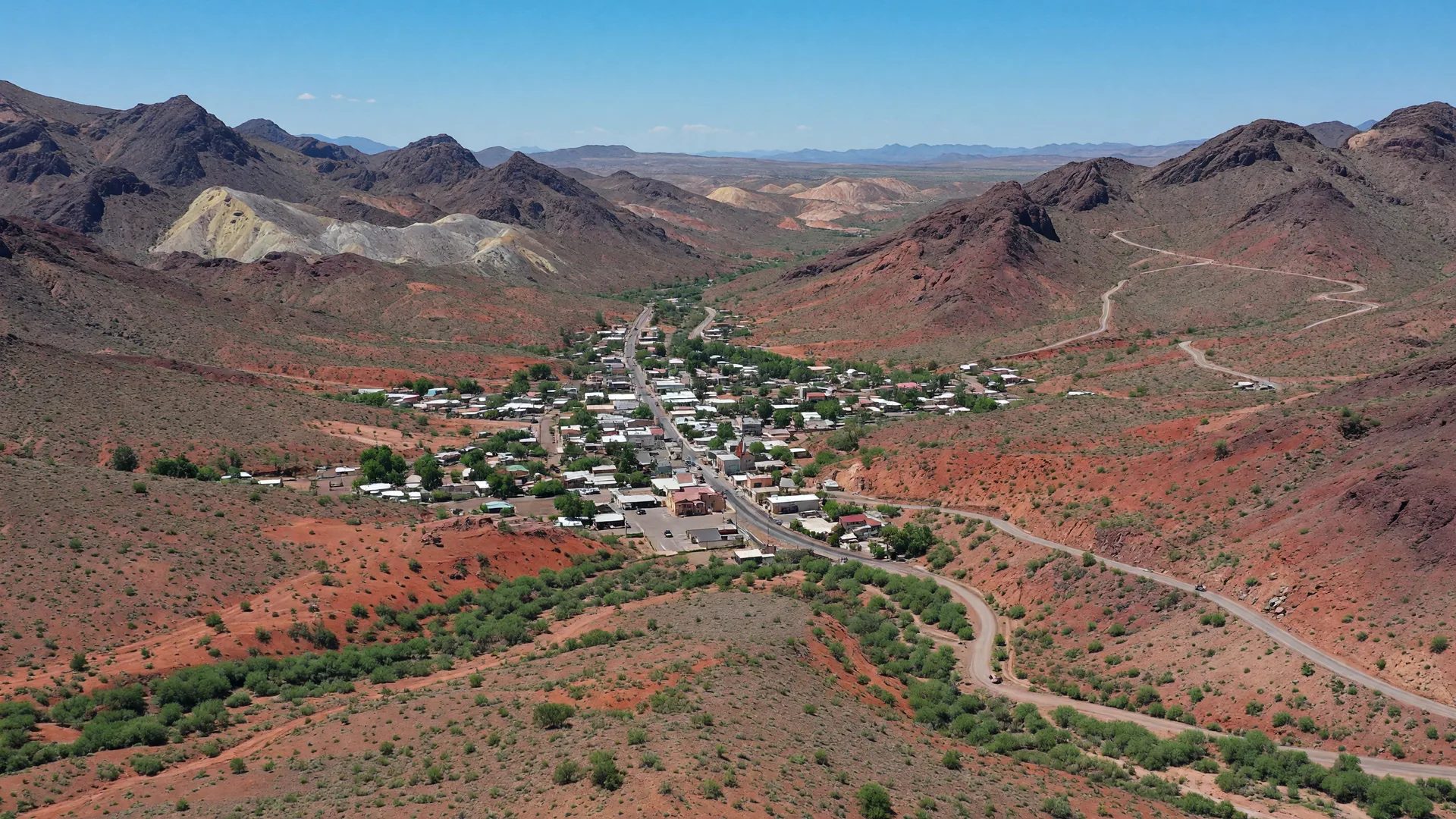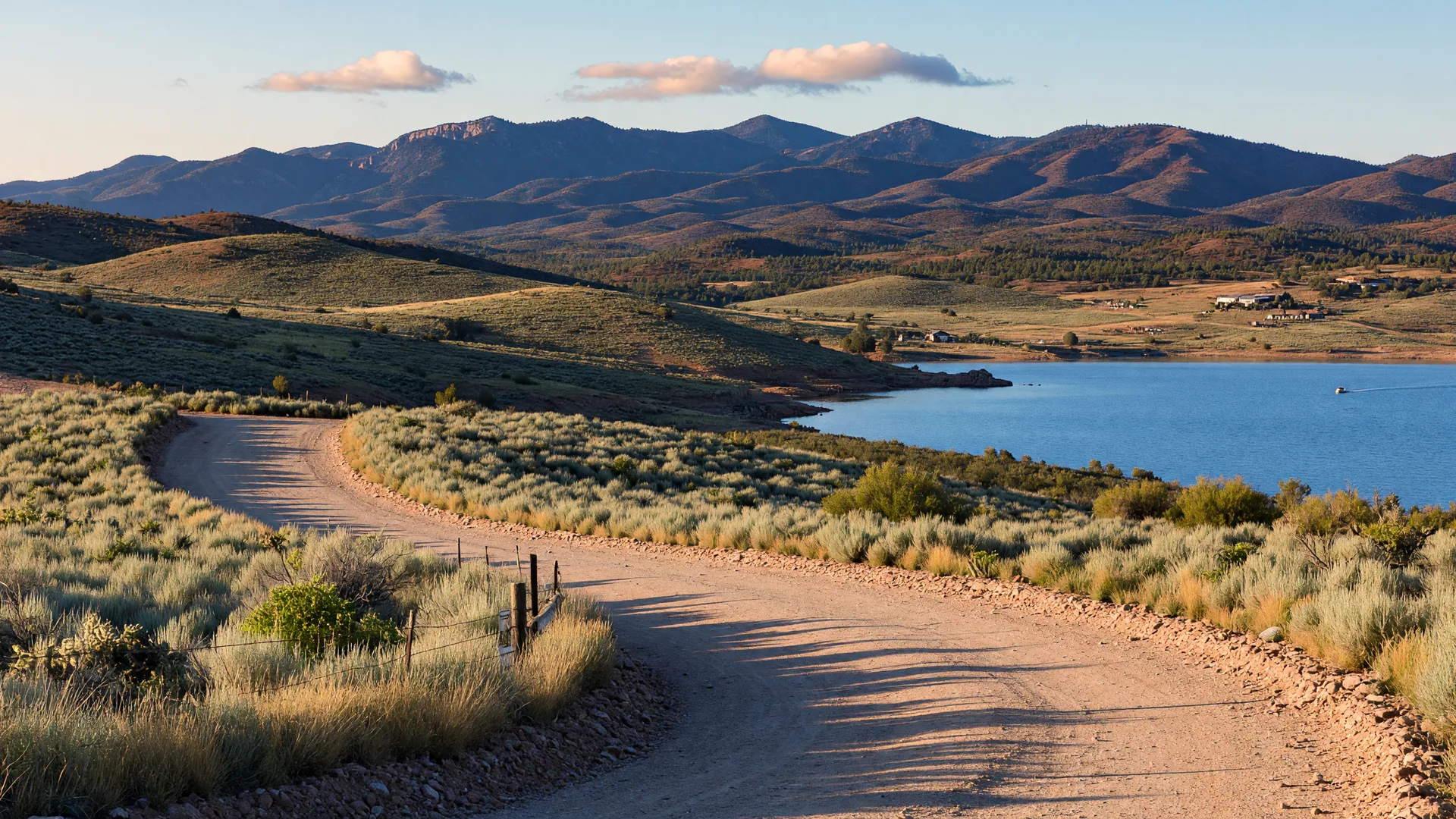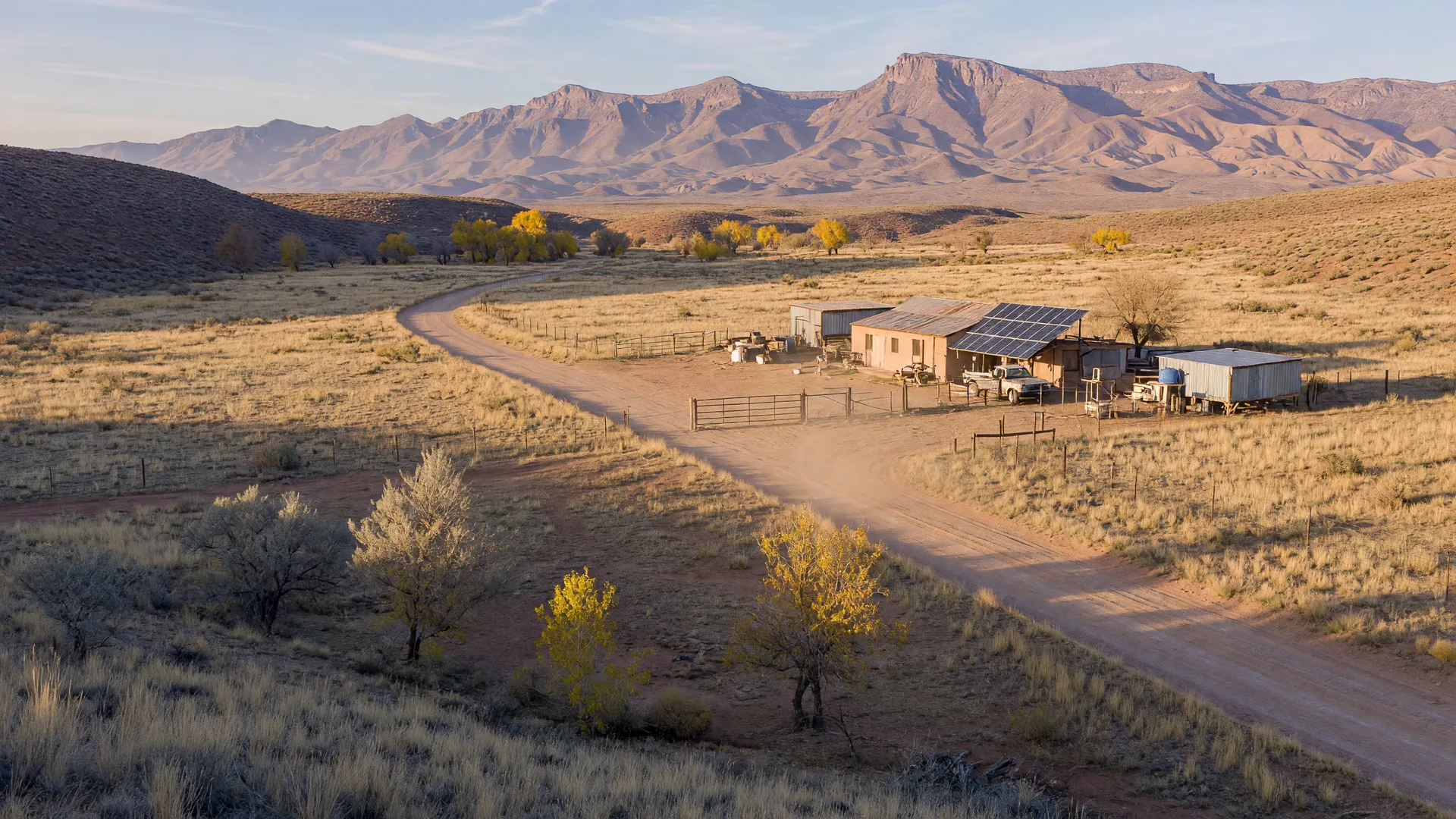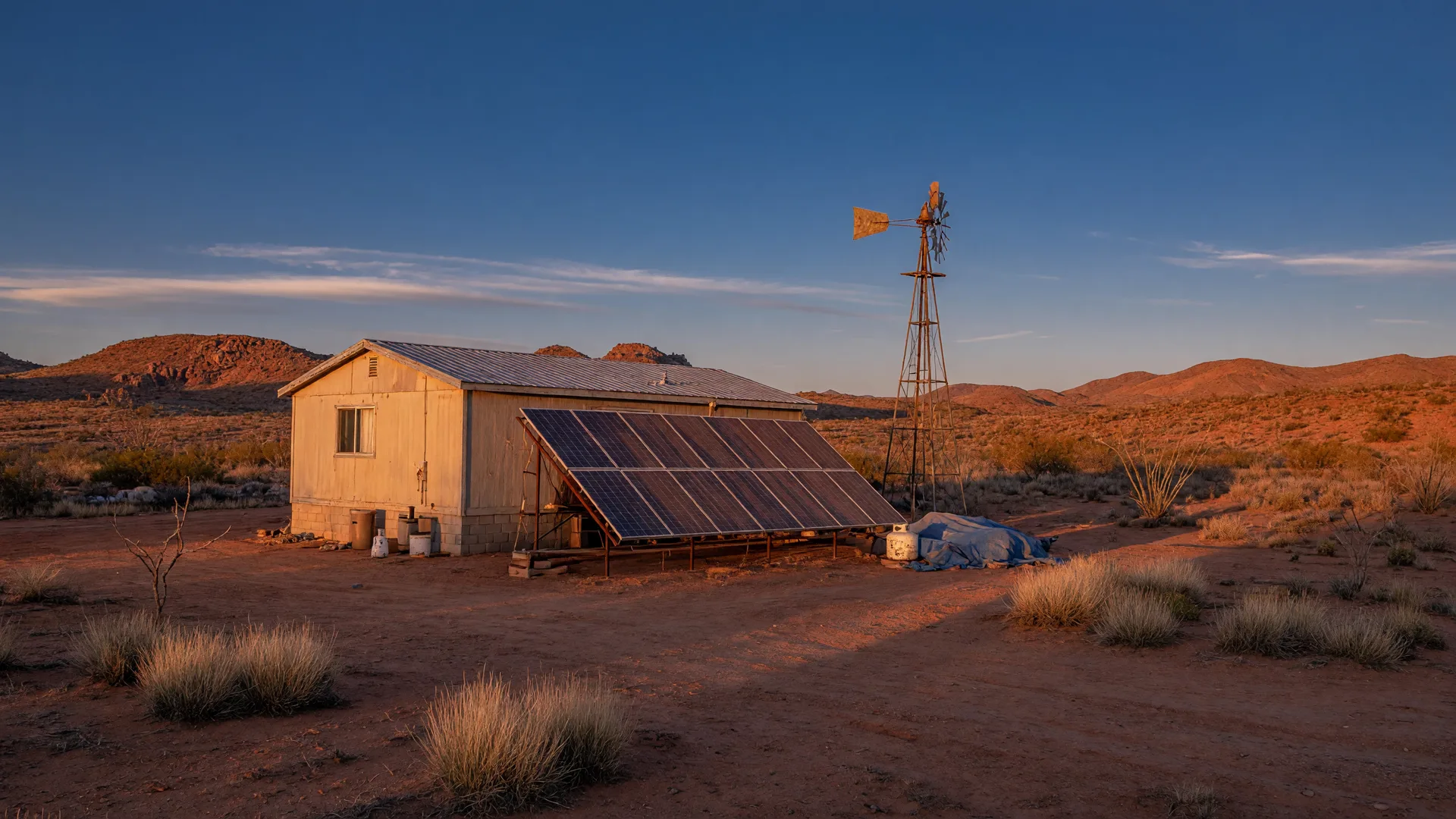
Yes, you can legally live off-grid full time on unincorporated land in Gila County, Arizona. Arizona has no law against off-grid living, and the county's own Code of the West openly acknowledges that electric service isn't available on every parcel. But "off-grid" does not mean "unregulated": a permanent dwelling needs a county building permit, an approved septic system, a registered well, and an electrical permit for your solar, and getting those straight is the difference between a homestead and an unpermitted camp the county can force you to take down.
Permit requirements in this guide come from the Gila County Building Safety FAQ, the Gila County building permits page, the Gila County Code of the West, the Gila County wastewater documents, and the ADEQ onsite wastewater general permit. This is general information, not legal advice, and requirements can change.
THE SHORT ANSWER: YES, AND ARIZONA HAS NO LAW AGAINST OFF-GRID LIVING
Let's kill the rumor first: there is no Arizona law that says you must be tied to the power grid, a municipal water line, or a subdivision. On unincorporated land outside town limits, you can own acreage and live on it in a permanent dwelling without any of that. What the county requires is that your systems be permitted and that your home be built to code. That's not a loophole, it's the actual framework, and it's why thousands of people already do exactly this across Gila County, Tonto Basin, and the Highway 77 corridor.
"PERMANENT DWELLING" IS THE PHRASE THAT MATTERS
The county's zoning code regulates "permanent dwelling units." That word "permanent" is where most of the confusion, and most of the trouble, comes from. An RV, a travel trailer, a tent, or a cargo container sitting on raw land is not a permanent dwelling, and living in one year-round is where buyers get into enforcement trouble after closing. The county isn't banning off-grid life; it's insisting that a permanent home get a permit and pass inspection. Buyers who go in with that expectation never have a problem, and buyers who assume "my land, my rules" are the ones who end up getting letters from the county. The distinction is simple: camping on your own land is not a substitute for a permitted home.
THE BUILDING PERMIT: REQUIRED FOR EVERY NEW HOME
Under the Gila County Residential Code (section R105.1), a building permit is required for all new homes. You submit two sets of plans plus two site plans to the Gila County Community Development office, at 745 N Rose Mofford Way in Globe or at 608 E Highway 260 in Payson, and the approved plan has to stay on-site during construction. And here's the sequencing detail that surprises people: the county cannot issue a building permit until the wastewater approval, and the floodplain review if it applies to your parcel, are already in place. Septic comes first, then the permit. That's why I always tell buyers to check septic feasibility before they get emotionally attached to a parcel.
THE SEPTIC PERMIT COMES FIRST
Every residence needs an approved on-site wastewater treatment facility, which for a typical rural home means a permitted septic system under the ADEQ Type 4.02 through 4.23 General Permit. You file a Notice of Intent to Construct with ADEQ and Gila County's wastewater review before any construction begins, and that approval is a prerequisite for the building permit. In plain terms: no approved septic, no permit, no legal occupancy. It's a routine process, but soil type, slope, and parcel size all affect whether a septic can be placed at all, which is a question to answer before you offer, not after. My guide to what off-grid living actually costs covers the septic numbers so you can budget for it realistically.
THE WELL: REGISTRATION PLUS A DRILL-SITE INSPECTION
A private well is a permitted, registered system too, not just a hole in the ground. It needs registration with the Arizona Department of Water Resources, and in Gila County, the Community Development office performs a drill-site inspection before ADWR issues the permit. Add a licensed drilling contractor to that list and you have the full picture: registration, inspection, and a licensed driller. Gila County sits outside every one of Arizona's Active Management Areas, so a domestic well here pumps under the state's "rest of state" rules with no pumping caps, which is exactly the freedom off-grid buyers are chasing. My guide to drilling a well in Gila County walks through the registration and Notice of Intent rules in detail.
SOLAR AND POWER: THE ELECTRICAL PERMIT, AND THE CODE OF THE WEST
Solar has to be permitted too. Gila County requires an electrical permit for any solar or electrical system, and residential systems are not exempt from that rule. But here's what makes Gila County special for off-grid buyers: the county's own Code of the West explicitly acknowledges that electric service isn't available on every parcel, and states that solar, wind, and generator systems are the accepted alternatives. That's the county itself normalizing off-grid power, which is not the case in every rural county in Arizona. When buyers ask me whether solar is "allowed," the honest answer is that the county expects it. My guide to power in rural Gila County covers what a line extension costs if grid power is available, and when solar makes more sense.
The Code of the West is the most reassuring document an off-grid buyer can read. It's the county saying, in writing, that living without a power line is normal out here. You're not fighting the county, you're working with it, as long as you pull the permits.
NO CERTIFICATE OF OCCUPANCY FOR RESIDENCES, BUT INSPECTIONS STILL MATTER
One detail that takes most buyers by surprise: Gila County does not issue a Certificate of Occupancy for residences. That document is only required for businesses here. For a home, you complete the permitted build and pass the final inspections, and that's what makes the dwelling legal to occupy. So there's no separate "occupancy permit" to hunt down at the end, but the final inspections absolutely have to pass. The path is clear and it's the same for every home in the county, grid-tied or not.
WHAT TO CHECK BEFORE YOU BUY OFF-GRID LAND
Before you make an offer on a parcel you want to live on, verify five things. First, the parcel's zoning actually allows a permanent dwelling, because not every rural parcel is zoned for one. Second, a septic system is feasible, meaning the soil, slope, and parcel size will support it. Third, there's a water source, either an existing registered well or a realistic spot to drill one. Fourth, there's legal, drivable access that construction equipment can use, because you can't build what you can't reach. Fifth, you understand exactly what "as-is" means for any structure already on the land. My zoning guide for Gila County land buyers explains the districts and what they actually allow, and it's the right place to start.
THE BOTTOM LINE
Off-grid living is legal in Gila County, and it's regulated the same way every home is: a permitted dwelling, an approved septic, a registered well, and an electrical permit for your solar. None of that is a barrier to the lifestyle. It's the paperwork that makes the lifestyle legal, and it protects you a decade from now when you go to sell. The buyers who do well out here aren't the ones avoiding the county. They're the ones who start with the checklist and build their homestead on top of it.
If you're looking at a parcel and wondering whether it can legally become your off-grid home, that's exactly the kind of question I answer every week. I'll check the zoning, walk you through the permitting path, and tell you what the county will actually require before you spend money on plans. You can see how I present off-grid properties on my current listings page, and my About page explains why I work this market from Globe rather than Phoenix. Call or text me at 480-797-1824, or send a message through the contact page, and we'll start with the questions that actually matter.

Written by Neil Blindauer

Realtor, DeLex Realty · A.I. Certified Agent™
With 9 years in real estate, I specialize in off-grid land, rural homesteads, and one-of-a-kind properties across Gila County, serving Globe, Miami, Winkelman and Kearny.
Learn more about Neil